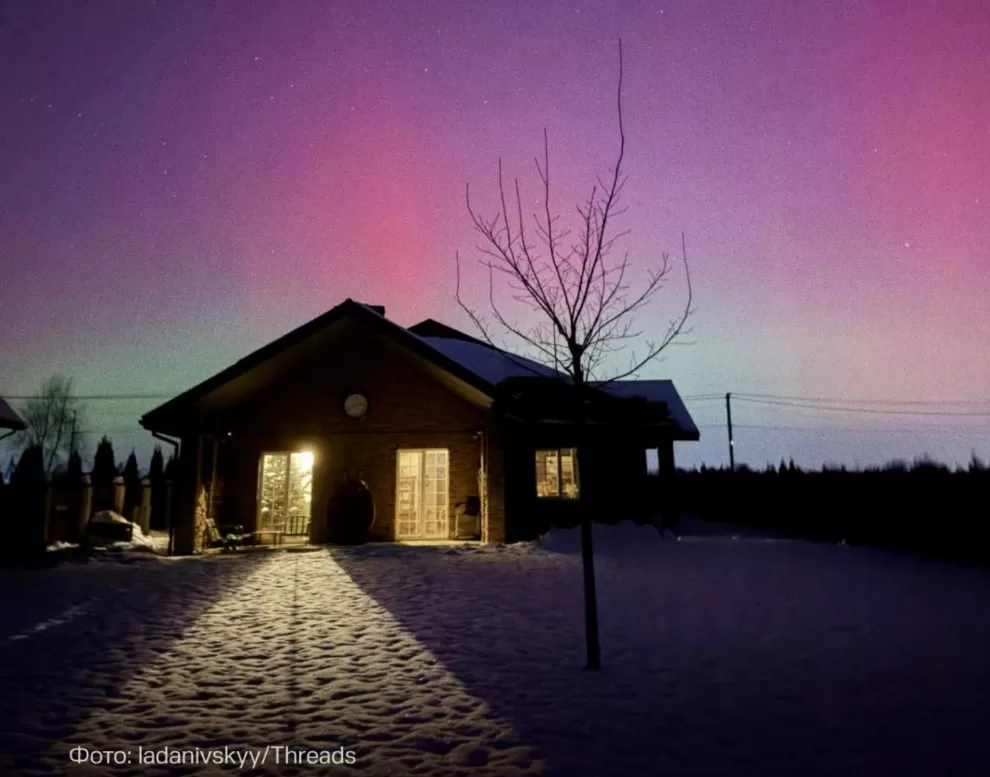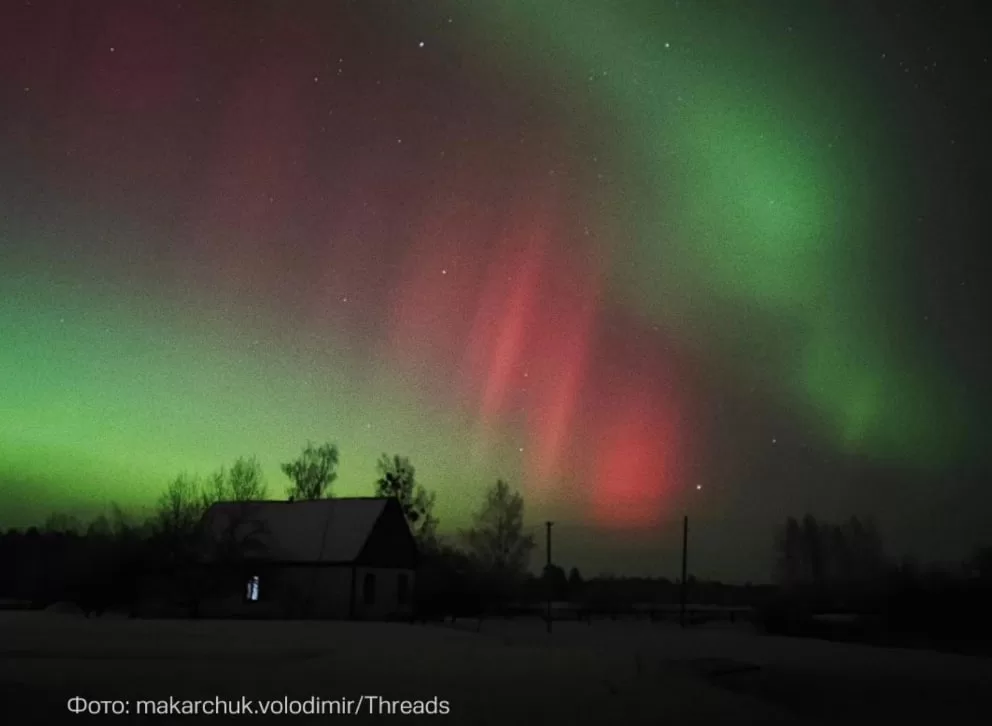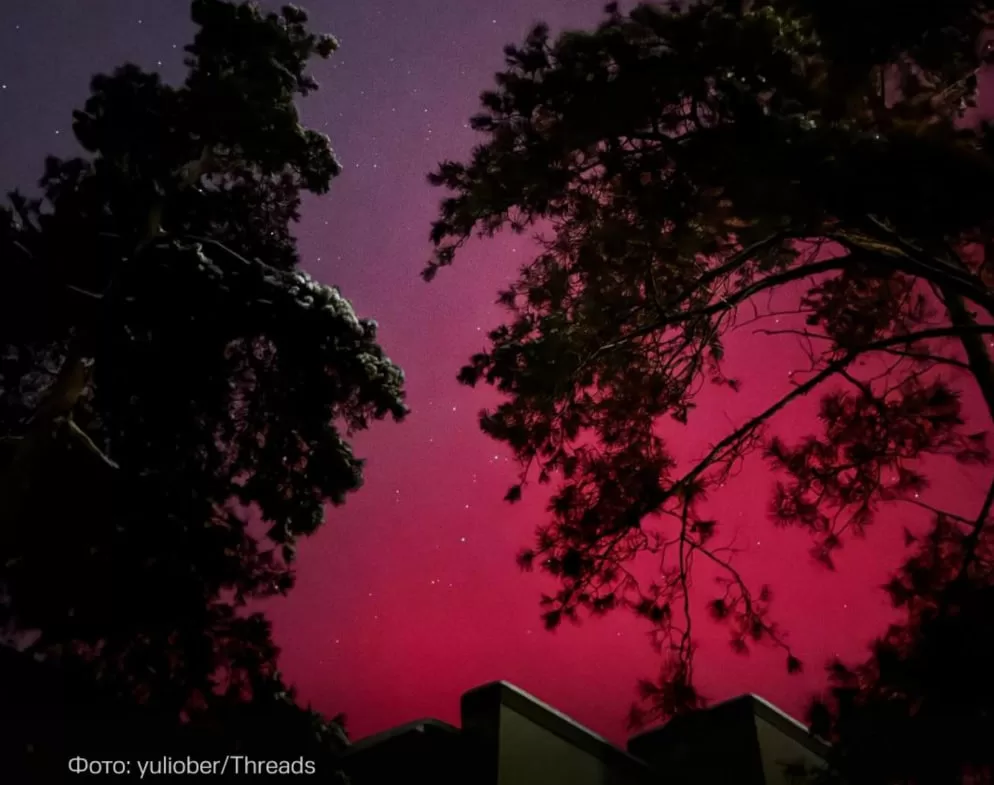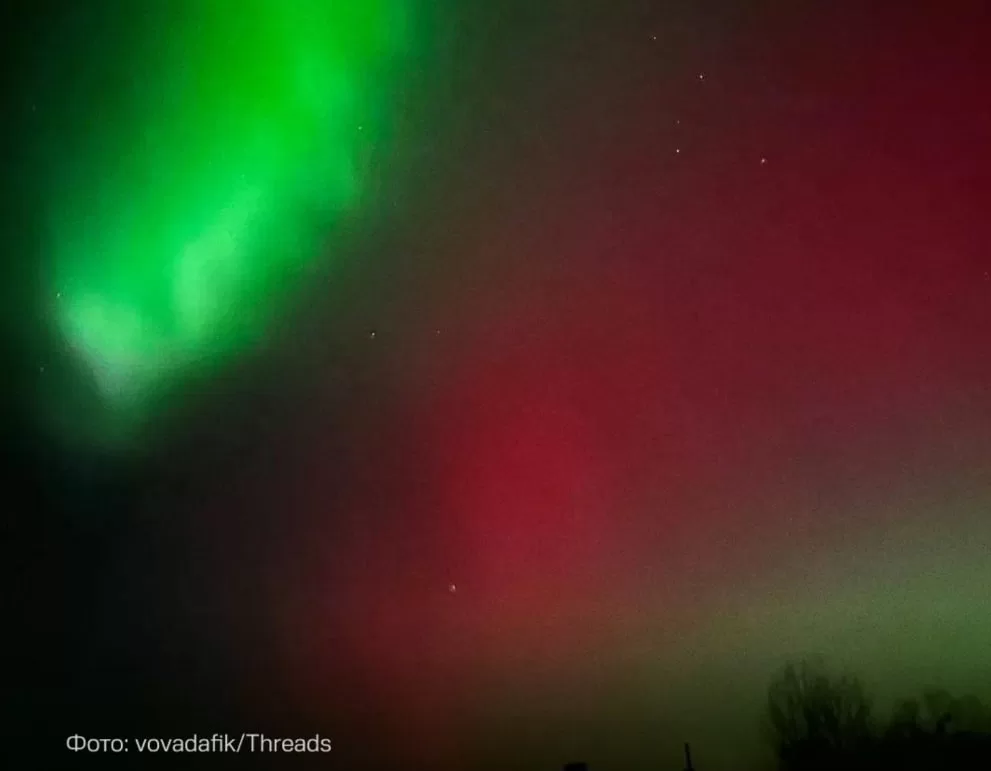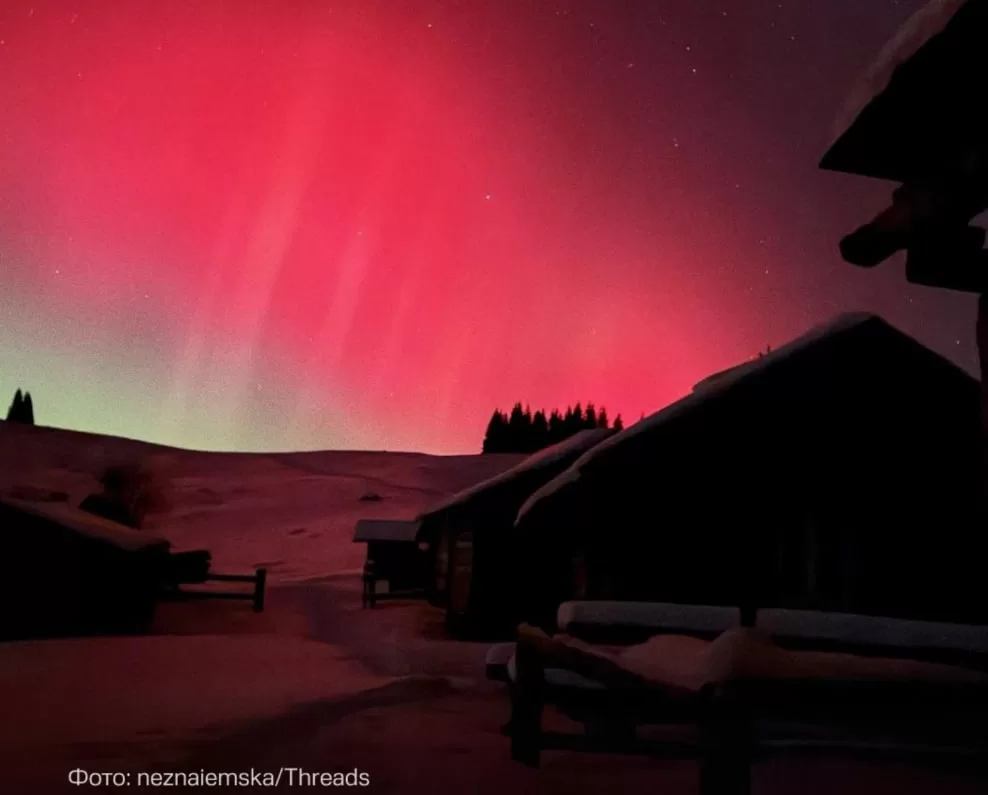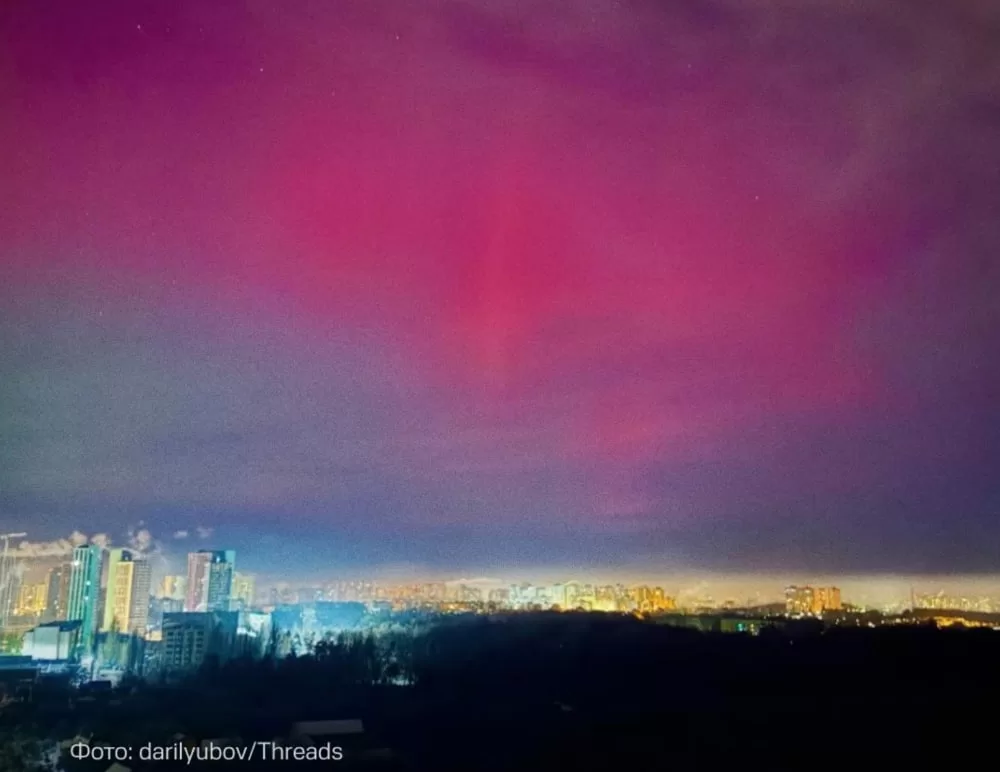
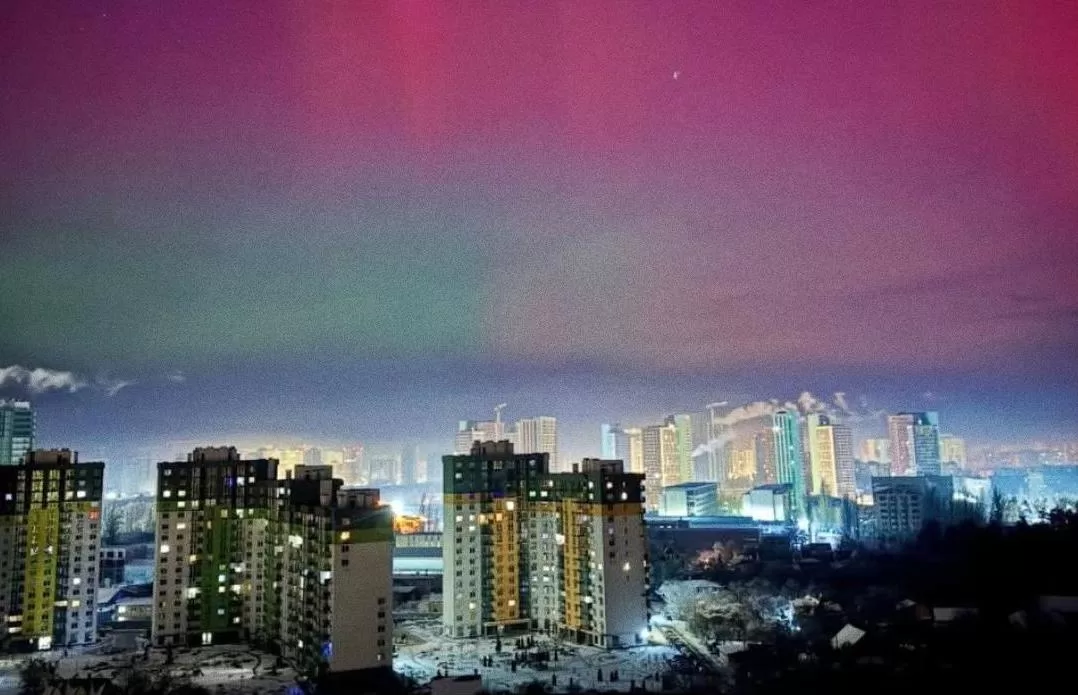
On January 20, a powerful solar flare hit the Earth, reaching the planet much faster than models had predicted. As a result, a strong G4 geomagnetic storm was recorded, creating conditions for the appearance of the aurora borealis.
This was reported by astronomer Volodymyr Kazhanov.
According to astronomical observations, the coronal mass ejection associated with the solar flare reached Earth earlier than expected. The collision of solar plasma with the planet’s magnetosphere was recorded between 21:15 and 21:45.
An S4-level radiation storm is currently underway, which may cause disruptions in radio communications and navigation systems, as well as pose a potential danger to satellites in polar orbits. At the same time, the geomagnetic storm has reached level G4 and, according to experts, may intensify.
Astronomers note that the Bz index of the interplanetary magnetic field is currently fluctuating significantly, but overall remains favorable for the occurrence of auroras. Under such conditions, the glow can be observed at wider latitudes than usual.
“Today, it also makes sense to observe and wait for the appearance of the aurora borealis. At this time, the magnetic storm is still active and, according to forecasts, will last at least a day,” said Kazhanov.
How to see the aurora borealis
- Look toward the northern sky.
- Find a place to observe without light pollution—as far away as possible from streetlights, tall trees, or buildings.
- It is desirable to have a view of the horizon.
“If you can’t see it with your eyes, try taking a photo with your smartphone, setting it to long exposure, or set up your camera on a tripod and take several shots with a long exposure of 5, 10, 20 seconds (ISO 200, 400…1600 or more). Experiment with the settings so that the sky is not overexposed or dark as pitch,” advises the astronomer.