
Russian forces have likely begun their anticipated spring-summer offensive against Ukraine’s so-called “Fortress Belt” in Donetsk Oblast. According to analysts, their advances are expected to be limited and come at significant cost.
According to the ISW report, Russian troops intensified offensive operations in the Lyman direction, attempting to advance toward Slovyansk from the northeast. More than 500 personnel, dozens of armored vehicles, and over 100 motorcycles and light vehicles were involved in the March 19 assault.
Ukrainian military sources note that Lyman is a key strongpoint on the route to Slovyansk and Kramatorsk. Russia is increasing pressure using large numbers of infantry and equipment, while also adapting tactics by dispersing forces across multiple axes to overwhelm Ukrainian defenses.
There has also been an increase in the use of aviation and drones, including guided aerial bombs and Lancet and Molniya UAVs. These strikes are aimed at degrading Ukrainian logistics and defensive capabilities ahead of ground operations.
At the same time, Russian forces are preparing to intensify operations in the Kramatorsk and Kostyantynivka directions, increasing attacks, redeploying personnel and equipment, and stepping up artillery and air strikes.
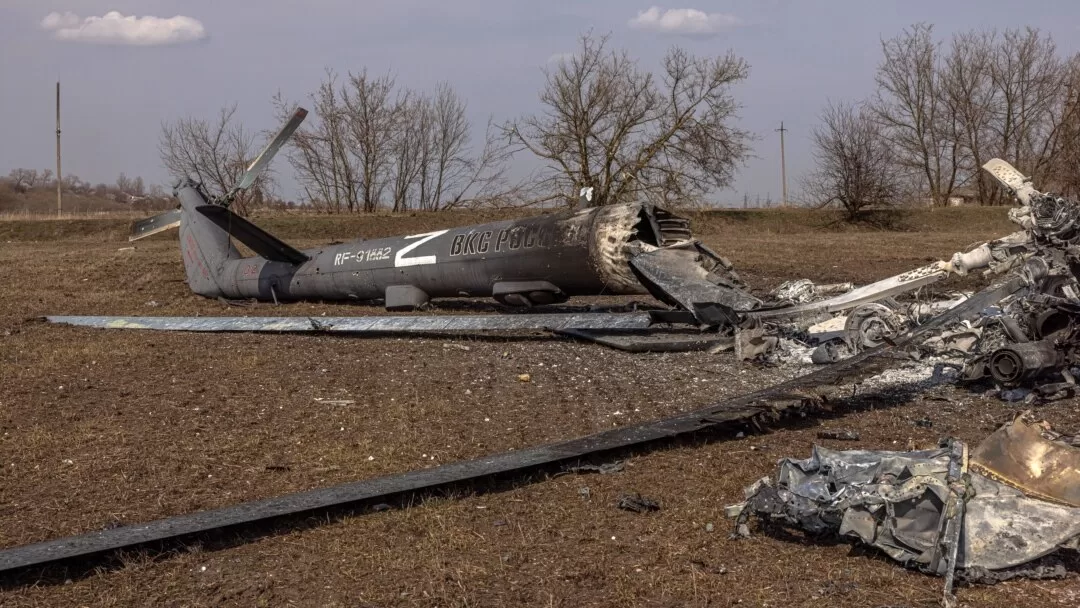
Despite the escalation, ISW assesses that Russia is unlikely to seize the Fortress Belt in 2026. In one of the March 19 assaults, Russian forces reportedly lost 405 personnel out of more than 500 involved.
Analysts also highlight systemic issues within the Russian military, including shortening training periods for new recruits from one month to one week to compensate for losses.
Ukrainian forces, in turn, are intensifying strikes against Russian artillery and logistics, complicating Russian advances and increasing their losses.