Hungary’s National Tax and Customs Administration (NAV) closed the criminal proceedings against Ukrainian Oschadbank cash-in-transit guards who were detained in March with tens of millions of dollars and euros, as well as gold. The investigation established that the seized valuables had a lawful origin, while suspicions of money laundering were not confirmed.
This was reported by the Hungarian outlet HVG, citing Lorant Horvath, the lawyer representing the cash-in-transit guards and the recipient Ukrainian bank.
According to the lawyer, the Central Investigation Department of NAV’s Criminal Directorate terminated the proceedings due to the absence of a criminal offence.
The decision to close the investigation states that the origin of the cash, gold and banknotes, which had previously been described as allegedly being of unknown origin, was established. They were part of an interbank transaction between Raiffeisen Bank International AG and JSC Oschadbank.
Raiffeisen Bank International AG provided documents confirming the origin of the banknotes and precious metals, as well as payment for them by Oschadbank. According to the lawyer, the data and evidence collected during the proceedings confirmed that the assets did not originate from criminal activity.
The investigation also found no signs of any other crime in the case, apart from the suspected money laundering, which was likewise not confirmed.
What is known about the “golden convoy” case
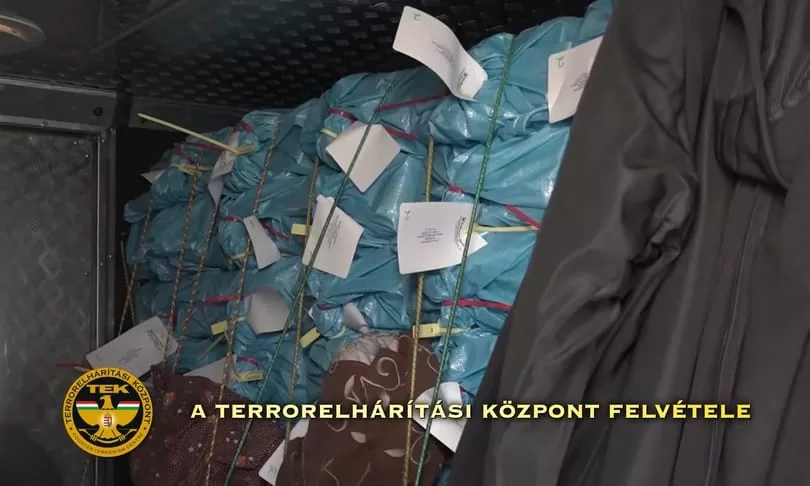
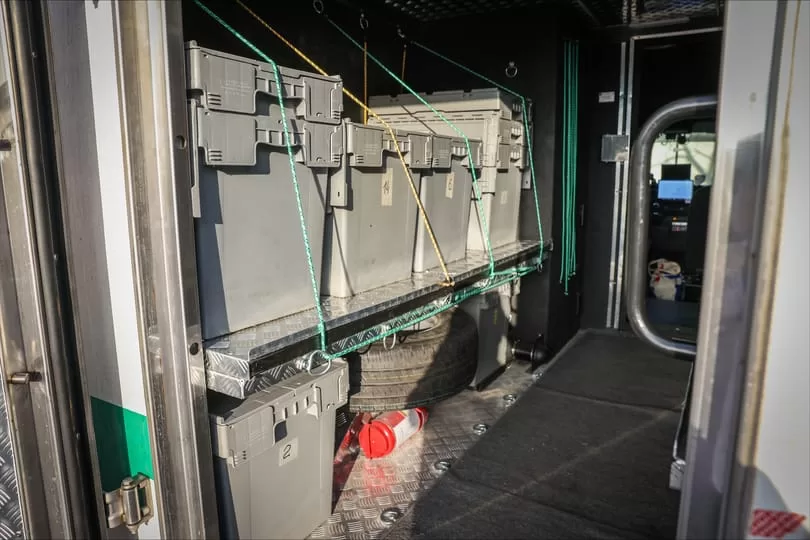
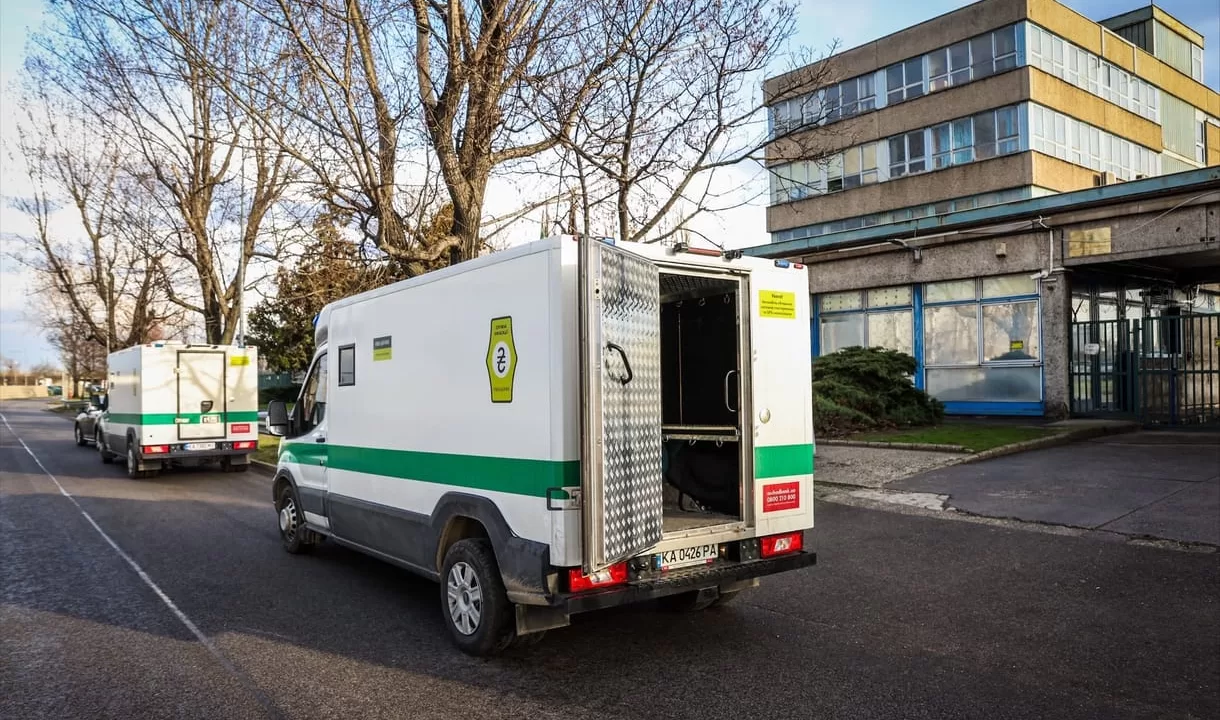
On March 5, Hungarian security forces stopped two armoured vans carrying $40 million, €35 million and 9 kg of gold. The shipment was ordered by Ukraine’s state-owned Oschadbank, while the sender was Raiffeisen in Vienna.
Despite the fact that the shipment was being carried out officially, seven Ukrainian cash-in-transit guards were detained, while the money, gold and vehicles were seized. The following day, the Oschadbank employees were deported to Ukraine.
Viktor Orban’s government suggested that the shipment could have been linked to money laundering, while some Fidesz politicians claimed that the funds could allegedly have been intended to finance the election campaign of the Tisza party.
After the elections, the Hungarian authorities returned all confiscated funds and valuables to Oschadbank, and later cancelled the decision to deport the cash-in-transit guards and the three-year ban on entering the Schengen Area.
On June 17, Hungary’s new Prime Minister Peter Magyar ordered an investigation into the circumstances of the detention of the Ukrainian cash-in-transit guards and the seizure of Oschadbank’s funds and valuables.