
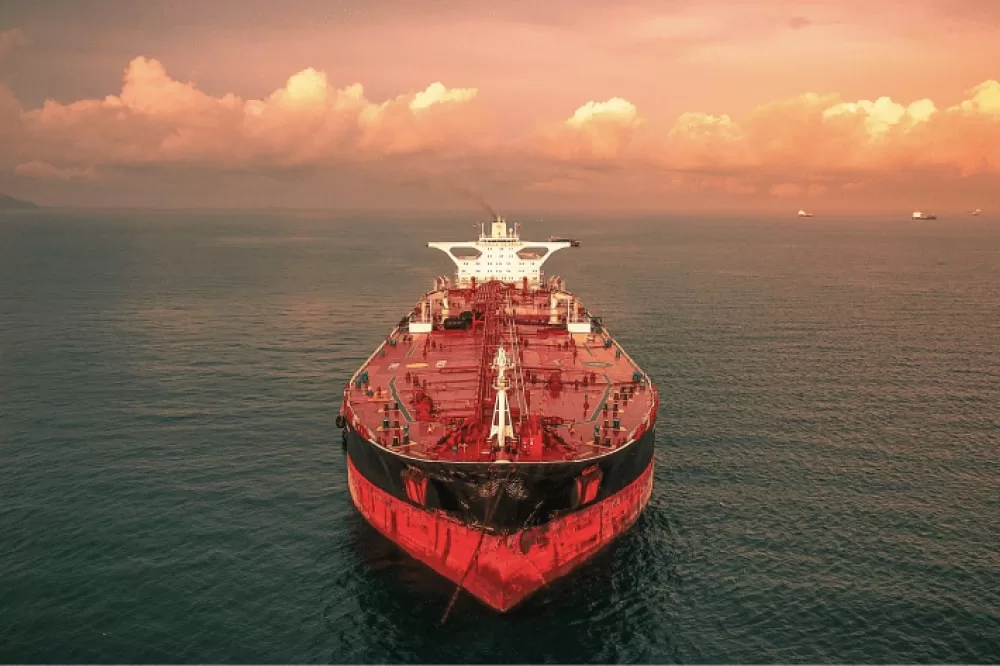
The United Kingdom has carried out its first operation to intercept a vessel from Russia’s so-called shadow fleet, which is used to transport oil in violation of international sanctions. The announcement was made by the UK Ministry of Defence.
In the early hours of June 14, British military personnel and officers from the National Crime Agency boarded the tanker SMYRTOS as it transited the English Channel. The operation involved Royal Marine Commandos, HMS Sutherland and HMS Ledbury, as well as Chinook, Merlin Mk4 and Wildcat helicopters and an RAF P-8 maritime patrol aircraft.
The Ministry of Defence said this was the first UK-led operation of its kind. The vessel will now be moved to an anchorage off England’s south coast, where it will remain under monitoring while investigations continue.
Prime Minister Keir Starmer said he personally authorized the interception.
“This successful operation delivers yet another blow to Russia and reminds those fueling Putin’s war in Ukraine that we will not let them hide,” Starmer said.
Defence Secretary Dan Jarvis described the action as a direct blow to the Kremlin’s financial resources used to sustain the war against Ukraine.
According to the British government, Russia’s shadow fleet is responsible for transporting around 75% of the country’s sanctioned oil exports. The fleet consists of more than 700 vessels that help generate revenue used to fund missiles, drones and other military equipment.
London noted that it has already sanctioned nearly 600 shadow fleet vessels. British officials estimate that Russia’s oil and gas revenues fell by 24% year-on-year in 2025.
The UK government emphasized that the operation was conducted in accordance with both domestic and international law and in close coordination with France and other NATO allies.
The term “shadow fleet” refers to a network of aging tankers used by Russia to circumvent sanctions imposed on its oil exports following the full-scale invasion of Ukraine. According to British authorities, more than 70% of these vessels are over 15 years old, increasing the risks of accidents and environmental disasters.