
Russia has introduced a temporary ban on the export of aviation fuel. The restrictions will remain in effect until November 30, 2026, inclusive.
This was reported by Top News in UA.
On June 1, the Russian government announced a ban on the export of jet fuel. The decision came into force after previously introduced restrictions on gasoline exports.
According to the government statement, the ban will remain in effect for six months, until November 30, 2026, inclusive.
At the same time, a number of exceptions are предусмотрены. The restrictions will not apply to fuel contained in technological tanks used by aircraft during flights, to batches of aviation fuel that had entered customs procedures before the decision took effect, and to supplies made under intergovernmental agreements.
The ban is explained by the need to ensure a stable situation on the domestic fuel market.
It should be recalled that since April 1, Russia has also imposed a ban on gasoline exports for all market participants. This decision is linked to Ukrainian drone attacks on Russian oil facilities. A number of Russian oil refineries remain fully or partially shut down and are not selling fuel on the exchange.
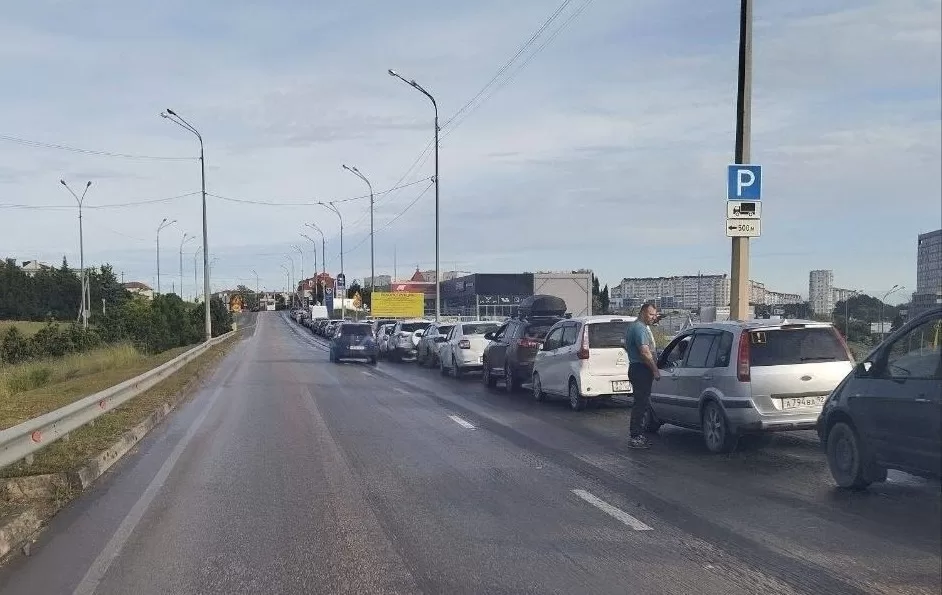
Meanwhile, in temporarily occupied Crimea, queues at gas stations are growing longer, and some stations have already run out of all types of fuel.
As reported by Sergey Aksyonov, the Russia-appointed head of temporarily occupied Crimea, restrictions on gasoline sales have been introduced due to limited fuel reserves on the peninsula. Since May 31, AI-95 gasoline at ATAN and TES gas stations has been sold only through coupons, while retail sales of AI-92 have been limited to 20 liters per vehicle. In addition, filling canisters with fuel has been prohibited. According to Aksyonov, the situation is expected to normalize within 30 days.