
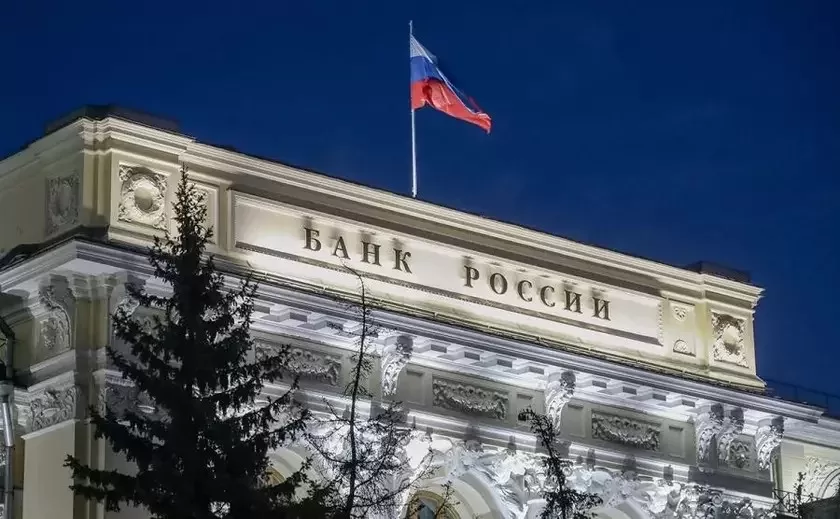
In 2025, Russia’s banking system lost key signs of financial resilience despite reassuring statements from the regulator. Falling profits and a surge in non-performing loans point to a systemic rather than temporary crisis.
According to the Foreign Intelligence Service of Ukraine, the net profit of Russian banks in 2025 decreased by 8% compared to 2024 and amounted to USD 45 billion, while return on equity fell to 18%. The deterioration in financial performance occurred amid a sharp increase in provisions and higher funding costs driven by tight monetary policy, indicating a deeper dysfunction of the sector.
At the same time, the quality of the loan portfolio worsened. The share of non-performing loans rose to 11%, and to 12% for unsecured loans. Such levels are incompatible with official claims of stability and point to the systemic nature of the problems.
The onset of a systemic banking crisis has effectively been acknowledged even by analysts from the Kremlin-linked Center for Macroeconomic Analysis and Short-Term Forecasting. According to their assessments, the apparent stability is sustained by the dominance of state-owned banks, large-scale restructurings of troubled assets, and regulatory easing, which only delays the crisis and increases the risk of a rapid deposit outflow.
The Foreign Intelligence Service of Ukraine notes that the declared resilience of Russia’s banking system appears artificial. The Central Bank of the Russian Federation has effectively shifted to manual risk management, allowing banks to conceal bad loans under the guise of restructurings, which will inevitably require additional state support and increase long-term pressure on Russia’s economy.