
Ukraine is increasing the supply of ground robotic systems for its military. In the first half of 2026, it plans to contract 25,000 UGVs, which is twice as many as in the entire previous year.
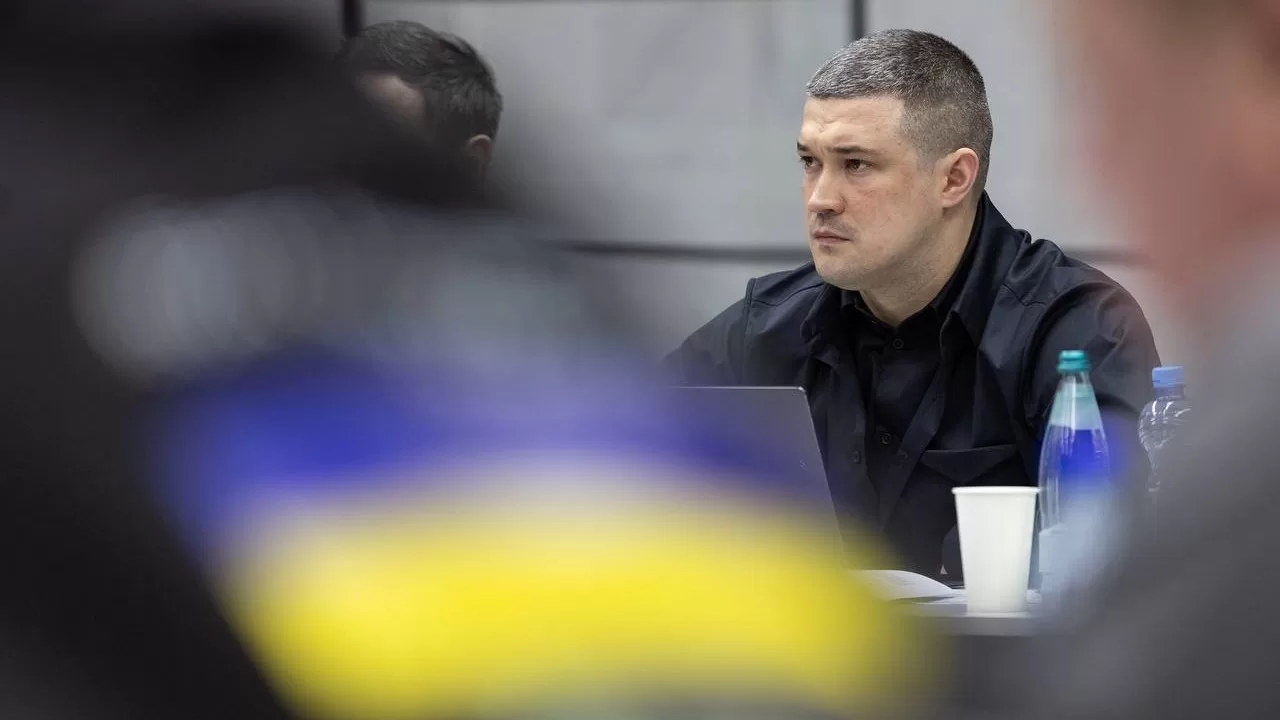
This was announced by Defense Minister Mykhailo Fedorov following a meeting with manufacturers of ground robotic systems. According to him, the main task is to fully meet the needs of the front and accelerate deliveries of equipment to the troops.
UGVs perform important functions on the battlefield, particularly in logistics and evacuation. In March alone, the military carried out more than 9,000 missions using such systems. The Ministry of Defense aims to transfer 100% of frontline logistics to robotic systems.
To accelerate deliveries, a number of decisions have already been made. In particular, contract signing has been unblocked even in cases of price changes following tax adjustments that affected some UGVs. Financing has also been synchronized and procurement volumes increased, while the Defense Procurement Agency has accelerated contract signing.
In addition, a UGV competence center is being established within the Ministry of Defense, which, together with the military and the General Staff, will speed up the deployment of robotic systems and serve as a single platform for cooperation with manufacturers.
According to the minister, 19 contracts worth UAH 11 billion have already been signed. The planning approach is also changing: manufacturers will receive contracts for the following year in advance, allowing them to forecast production.
UGVs are one of the most dynamic areas of defense technology. While this sector practically did not exist at the start of the full-scale war, it has now become a market with more than 280 companies and over 550 solutions developed with the support of the Brave1 platform. A total of 175 grants have already been issued to support the industry.
At the same time, Ukraine is scaling other areas, including engineering systems for mining and demining, combat platforms, ground-based kamikaze drones, and automated turrets for countering aerial threats.
Key challenges identified by manufacturers include scaling production, standardization, training, localization of components, and integration into combat processes. The Ministry of Defense is preparing solutions in each of these areas to ensure a steady supply of technologies to the front.