
The National Bank of Ukraine, in its October Inflation Report, stated that during the full-scale war the effectiveness of macroeconomic policy tools in balancing the current account has significantly decreased. According to the NBU, the current account deficit is mainly driven by the need to finance defense, reconstruction, and structural changes in the economy.
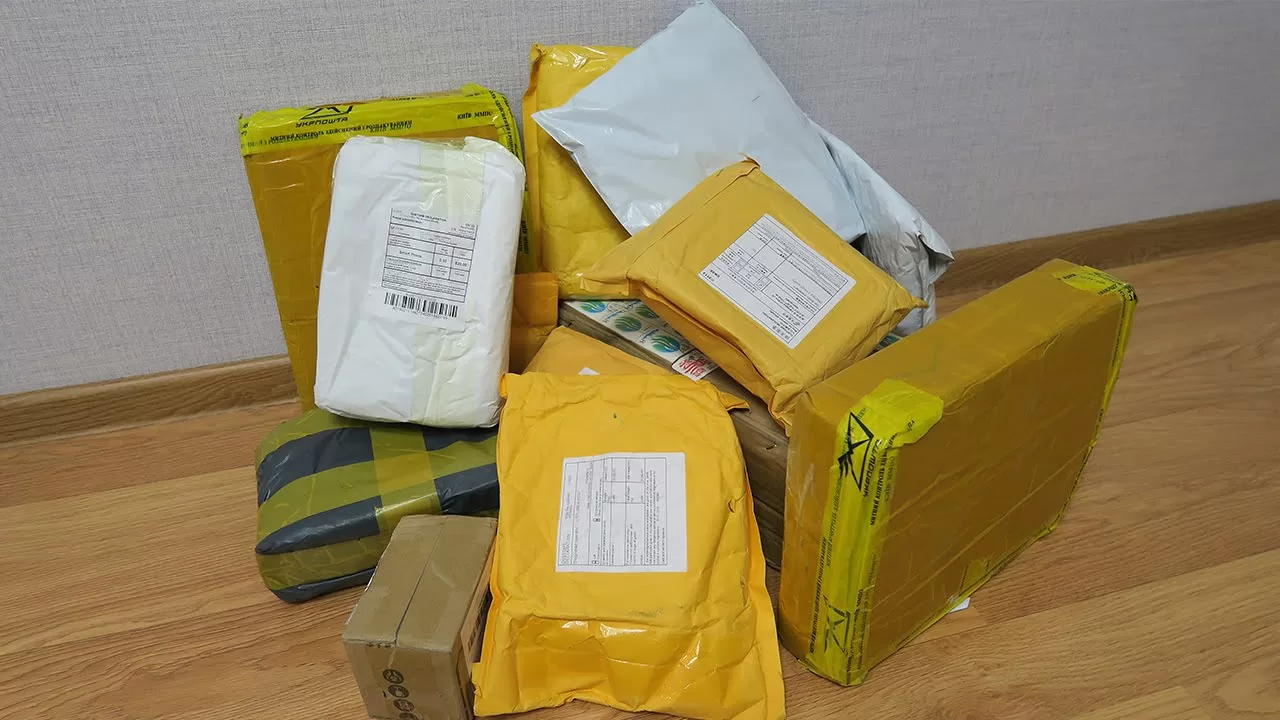
The regulator emphasized that reducing this deficit through strict fiscal consolidation could weaken the country’s defense capability. Instead, the NBU proposes alternative measures — cutting non-priority expenditures and introducing taxes on imports that are not critical during wartime. In particular, this includes taxation on parcels worth up to €150, as well as on luxury goods and electric vehicles.
What this means for Ukrainians
If the government adopts the NBU’s proposal to tax small international parcels, it would directly affect everyone who orders goods from foreign online stores such as AliExpress, Amazon, and eBay.
- Prices would increase, as the new tax would ultimately be passed on to consumers.
- Delivery would slow down, since each parcel would require additional customs clearance.
- For small businesses relying on international marketplaces, this could mean lower sales and higher logistics costs.
Thus, the NBU’s initiative could help boost budget revenues and narrow the current account deficit, but at the same time it would lead to higher prices for small imports and make online shopping more complicated for Ukrainians.