Big tactical shooters are getting attention again. Multiplayer players want more than quick reflex tests and short arena rounds. Instead of packing every fight into one tight space, these games spread combat across larger areas. On those wider battlefields, where you stand matters. How you move matters too. Team play and situational awareness can swing the whole match.
A lot of players seem to like that shift. Matches feel less certain. They also ask for more planning and smarter choices.
WARDOGS Enters the Genre
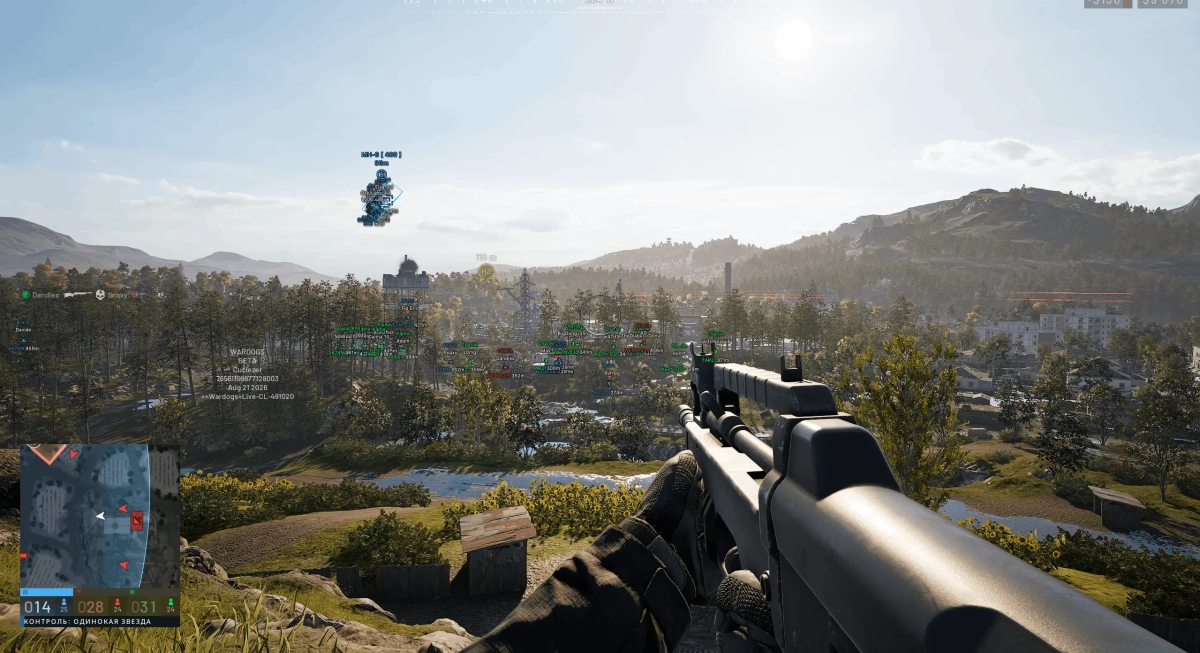
WARDOGS runs on a large multiplayer mode with three teams. There are wide battle areas to fight through. Combat mixes infantry and vehicles. The game does not push one single way to play. It gives room for different approaches, depending on what the match demands.
Sometimes you travel across open ground. Other times you face enemies from several sides. When vehicles enter or move out, the battle can change fast. Because of that, one fight does not sit alone. Each encounter connects to a larger push across the map.
Winning is not just about reacting first. The route you take matters. The timing matters too. And having your teammates on your side matters as well.
Why Scale Changes Multiplayer
More players and a bigger battlefield can change the feel of a multiplayer shooter. In a small match, people usually can guess where the next fight will happen. When the map is larger, that guess gets harder. There is more uncertainty about what you will run into next.
Danger does not come from one place. Goals can sit far apart. What looked safe can turn risky fast, especially if a rival team shifts its path or if new vehicles move into the zone. That extra uncertainty can feel freeing, yet it also asks for more watchfulness.
Big fights also split people into different jobs. Some players push for close fights. Others watch angles and routes. Some move to take objectives. Some back the team. Others try to hold key parts of the map.
Information Becomes Important
Information matters more as teams get larger and spaces open up. It helps to know where enemies were last seen. It helps to track what the team is aiming for right now. It also helps to spot lanes that tend to cause trouble, since these facts shape choices even before shots are fired.
Good positioning can make a clear difference. If someone knows the terrain, they may skip fights that bring no gain, reach an objective sooner, or back teammates in a way that counts. Talking with others can also cut down the mess that comes with crowded battles.
That is one reason tactical multiplayer titles stay fun after you learn the core controls. Each match can play out in its own way. Movement, team choices, and how the area changes keep shifting from round to round.
The Growing Ecosystem Around Tactical Shooters
Larger multiplayer games have also created an ecosystem outside the game itself. Players use everything from community guides and performance tweaks to stat resources and third-party WARDOGS hacks and gameplay tools when exploring different ways to approach the battlefield. As these games become more complex, the number of supporting tools built around them tends to grow as well.
As tactical games get deeper, the support around them tends to grow. Teams of players share guides, trade ideas, and post numbers. Technical posts and other resources can help someone learn how the game works. This can happen without changing the main multiplayer rules.
Where the Genre Goes Next
In the years ahead, large tactical shooters will likely hinge on how well studios mix large scale with easy entry. Larger maps and bigger lobbies can create standout moments. At the same time, matches need clear goals. Good communication matters. Mechanics should also keep things from turning into a mess.
Team play will likely stay central to that balance. Community tools may also matter more. Players may want better ways to review stats, study plans, and check technical performance.
WARDOGS points to a wider push in multiplayer shooters. In this view, the map and the situation become part of the test. Rather than only chasing solo gunfights, these games give more choices. You get more ground to hold. A single fight can also swing the rest of the match. This blend may help the large scale shooter model stay useful as online play keeps changing.