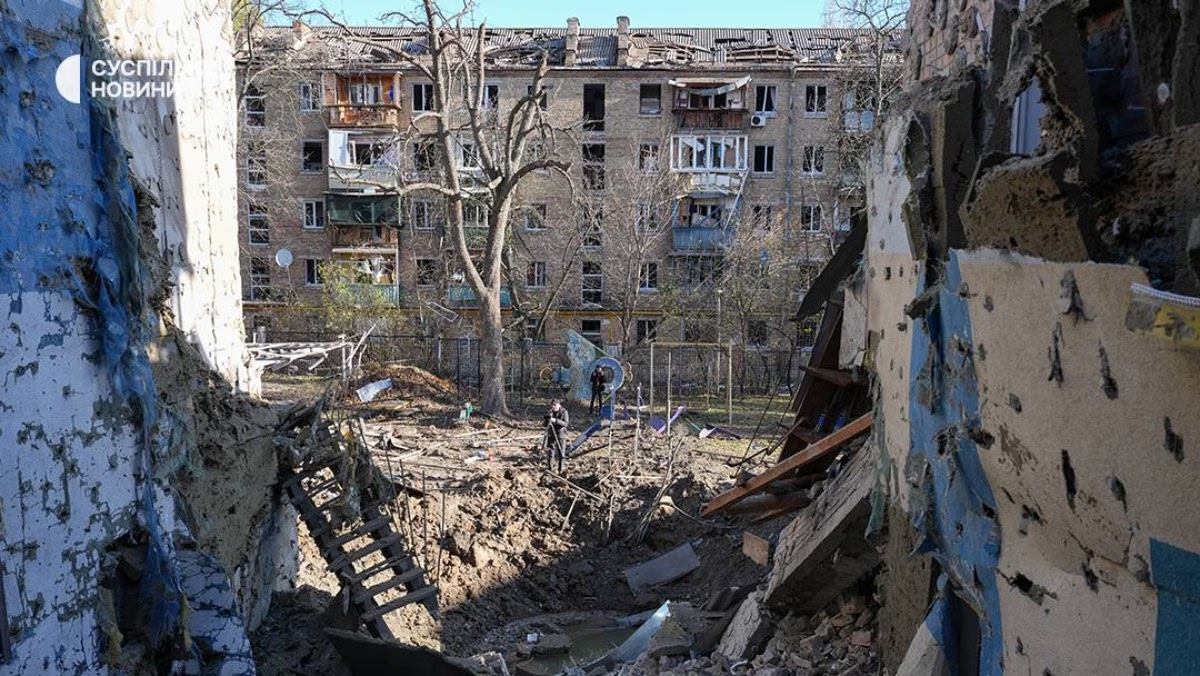
During Russia’s overnight attack on November 7, 36 missiles flying on ballistic trajectories were launched, but Ukrainian air defenses managed to neutralize only four of them. President Volodymyr Zelenskyy warned of a severe shortage of Patriot interceptor missiles and said that, according to preliminary findings, Russia had used North Korean KN-23 missiles to strike a key Ukrainian energy facility.
Ukrainian President Volodymyr Zelenskyy reported this following a coordination meeting on the consequences of the Russian attack and ongoing recovery efforts.
According to the president, Ukraine continues to face a serious shortage of interceptors for its Patriot air defense systems. The United States, he said, is best positioned to help address the problem.
“Unfortunately, there is still a significant shortage of Patriot interceptors, and it is primarily the United States that can help us overcome it,” Zelenskyy stressed.
The president said Ukraine is working at every level to accelerate air defense deliveries. This is particularly important ahead of winter and another joint effort with international partners to revive peace negotiations.
Zelenskyy believes Russia is intensifying its strikes on Ukrainian infrastructure to increase pressure on Ukraine and its allies ahead of diplomatic meetings.
“Russia has a peculiar understanding of diplomacy — as a form of aggression. By intensifying strikes against Ukraine and our infrastructure at this particular time, Russia is trying to lay additional groundwork for putting pressure on Ukraine’s position and that of our partners,” the president said.
Zelenskyy also shared preliminary findings from examinations at the sites of ballistic missile impacts.
According to him, Russian forces appear to have used KN-23 missiles, manufactured and supplied by North Korea, in a strike on one of Ukraine’s key energy facilities.
The president emphasized that this underscores the need to strengthen international sanctions against countries and other actors helping Russia carry out attacks.
The meeting also addressed the situation in Kyiv following the Russian strike.
Zelenskyy instructed the Ministry of Internal Affairs, headed by Ivan Vyhivskyi, to work with the relevant agencies and the Kyiv City Administration to develop backup transport arrangements for the capital and provide additional vehicles.
According to the president, such contingency transport arrangements are virtually nonexistent at the municipal level.
Prime Minister Serhii Koretskyi also delivered a report on the restoration of damaged energy facilities and the personnel and resources involved in the recovery efforts.
Military officials reported on the use of electronic warfare systems. Following the discussion, priorities were identified for expanding their deployment.
Foreign Minister Andrii Sybiha delivered a separate report.
Zelenskyy said preparations are underway for meetings in the Group of Seven (G7) format, with Ukraine expected to participate.
According to him, Kyiv expects additional contributions from European countries to the PURL program, with preliminary commitments already secured.
New energy assistance packages and additional supplies to support Ukrainian logistics are also expected.