
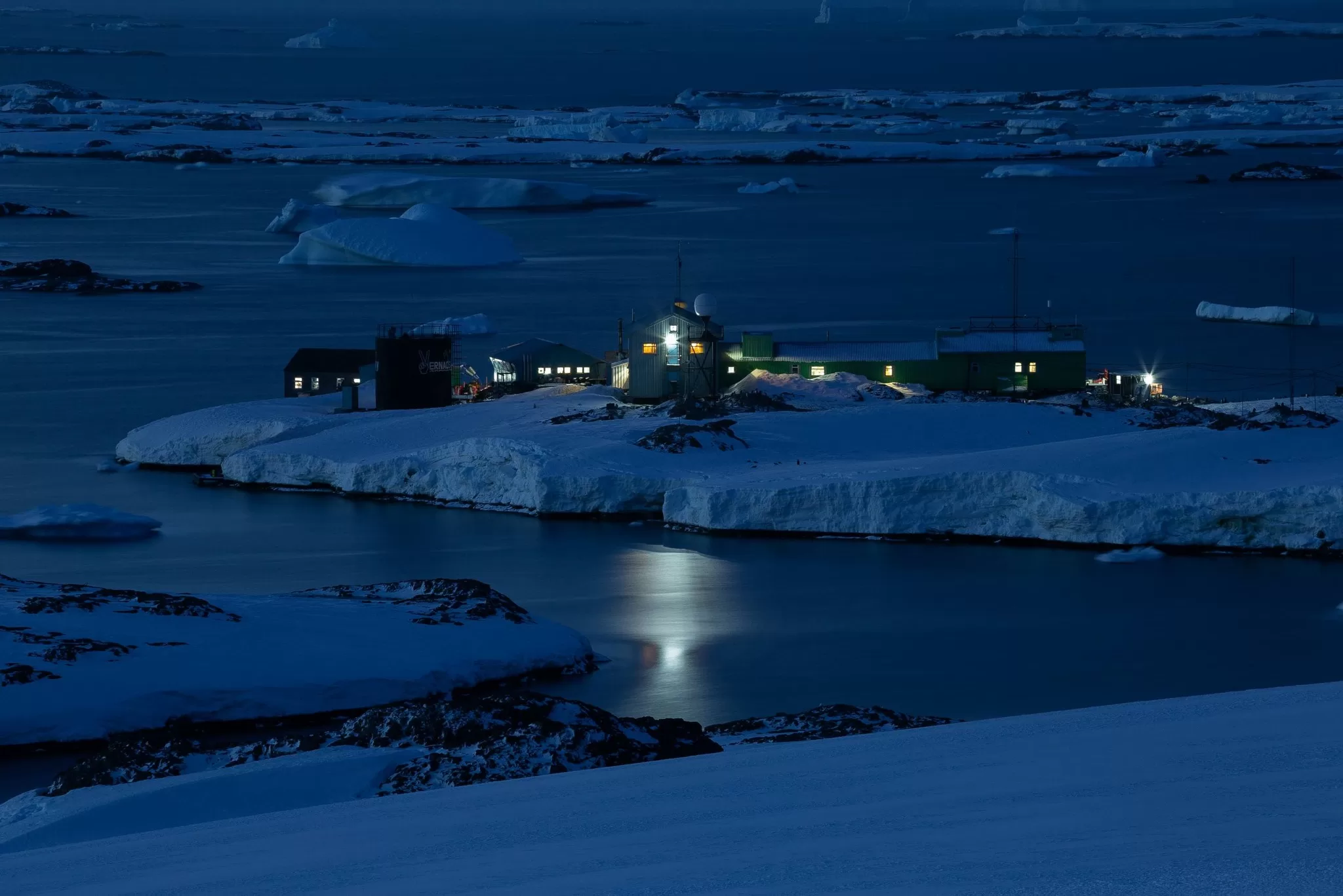
February 6 marks 30 years since Ukraine received its Antarctic research station, now known as Akademik Vernadsky. The transfer became a milestone for Ukrainian science and international research efforts.
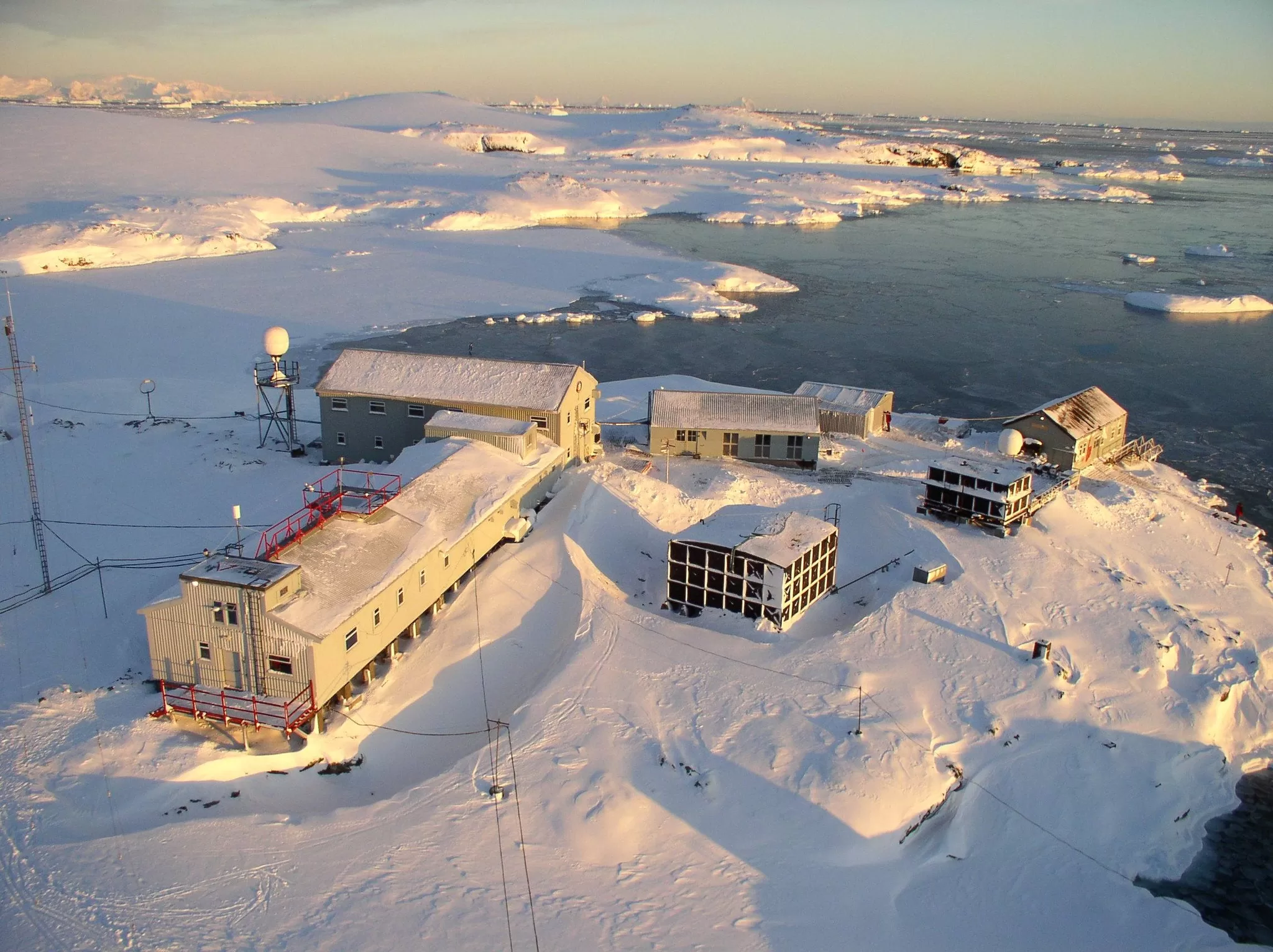
On February 6, 1996, the United Kingdom transferred its Antarctic research station Faraday to Ukraine free of charge. The station was later renamed Akademik Vernadsky. Under the memorandum of transfer, Ukraine undertook to continue long-term scientific observations of climate, the ozone layer, and Earth’s magnetic field.
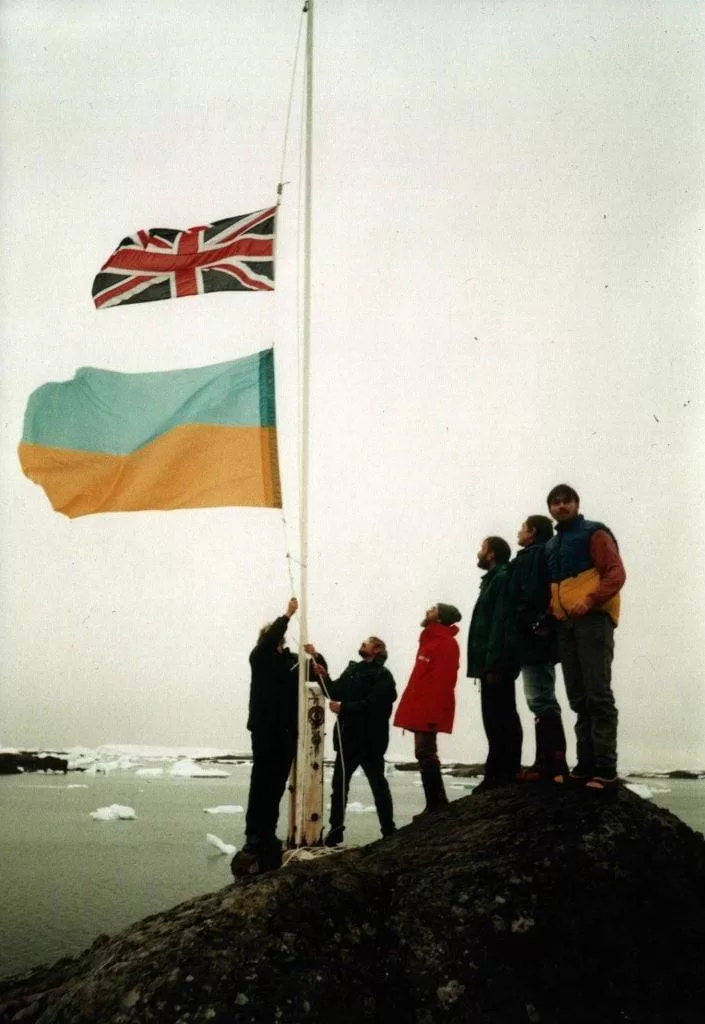


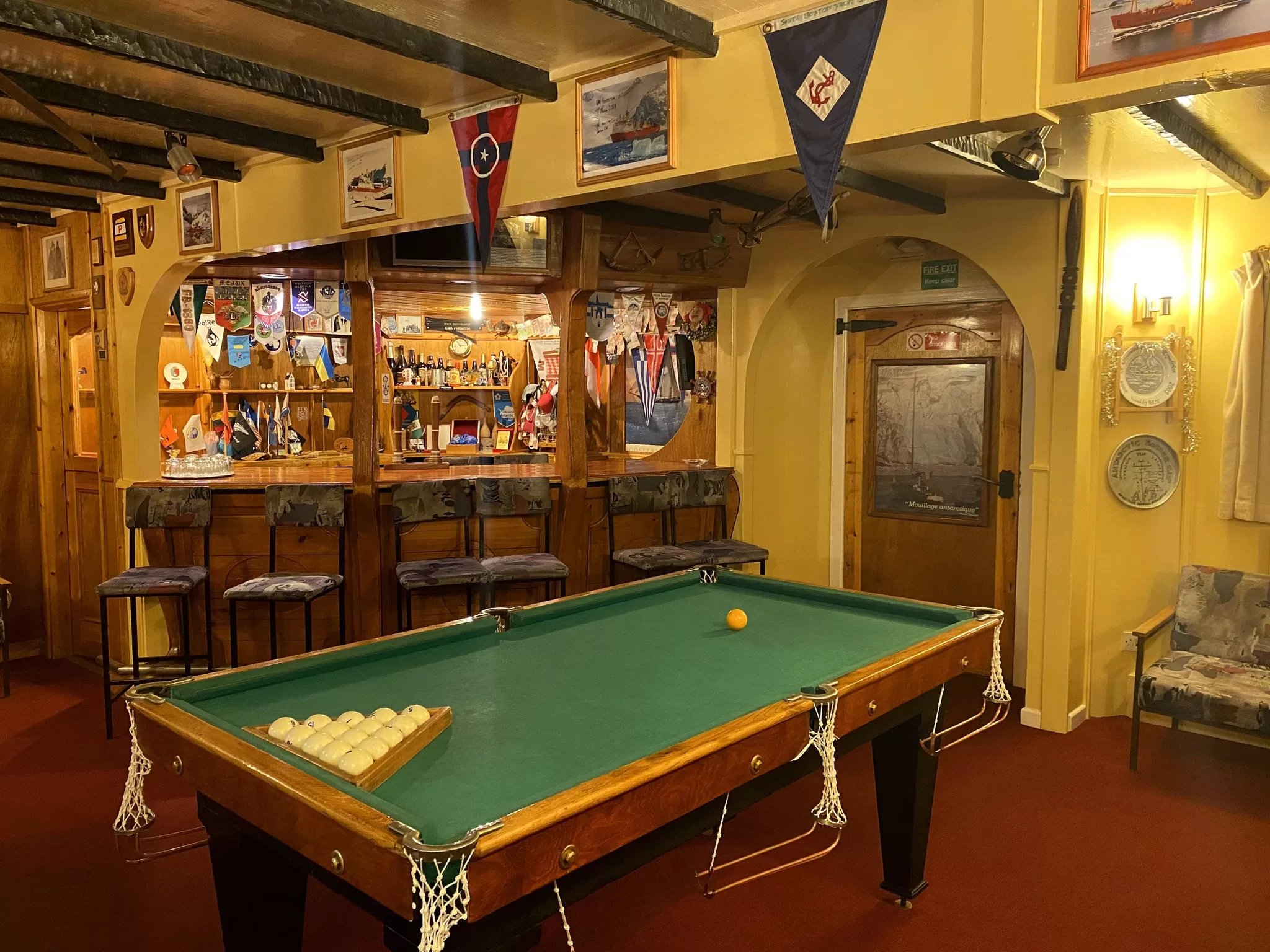
During the official handover, the head of the British expedition, Duncan Haigh, jokingly asked for a symbolic payment. The leader of the first Ukrainian Antarctic expedition, Hennadii Milinevskyi, handed over one British pound he found in his pocket. The coin was embedded into the wooden bar counter at the station, where it remains today.
Ukraine competed with several countries, including South Korea, for the station. The decision in Ukraine’s favor was based on the country’s scientific capacity and the availability of its own fleet capable of servicing the base.
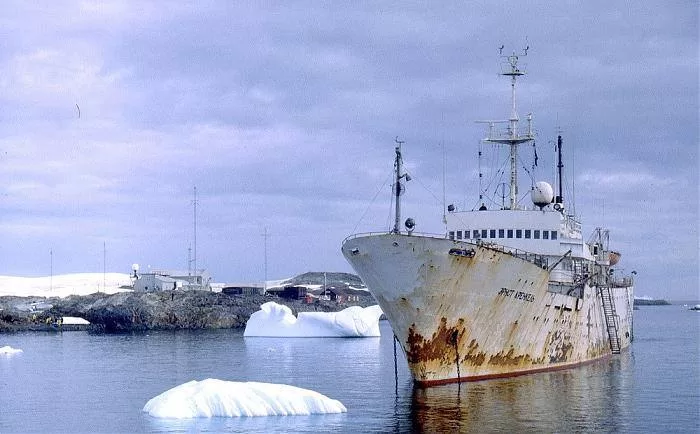
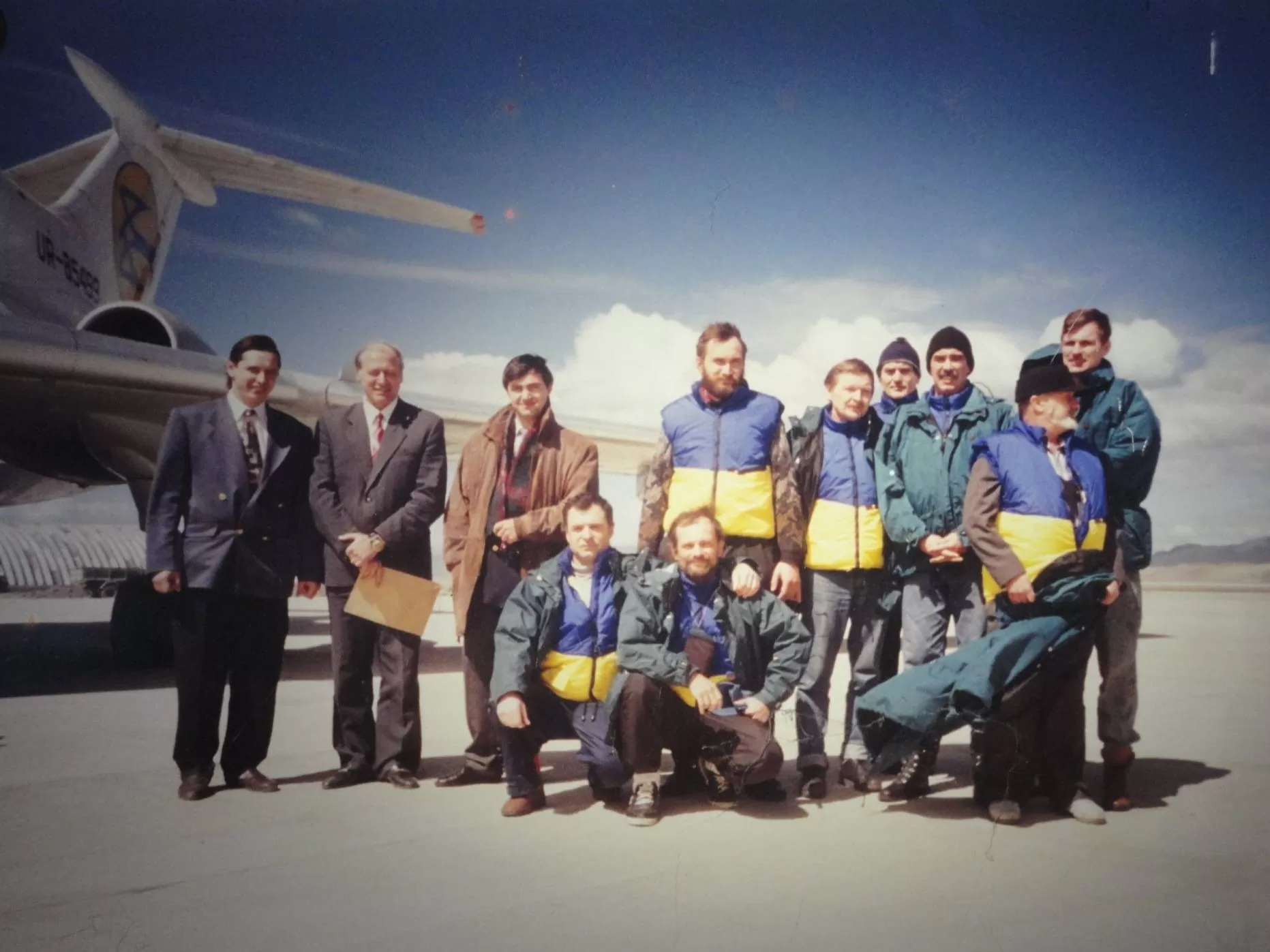
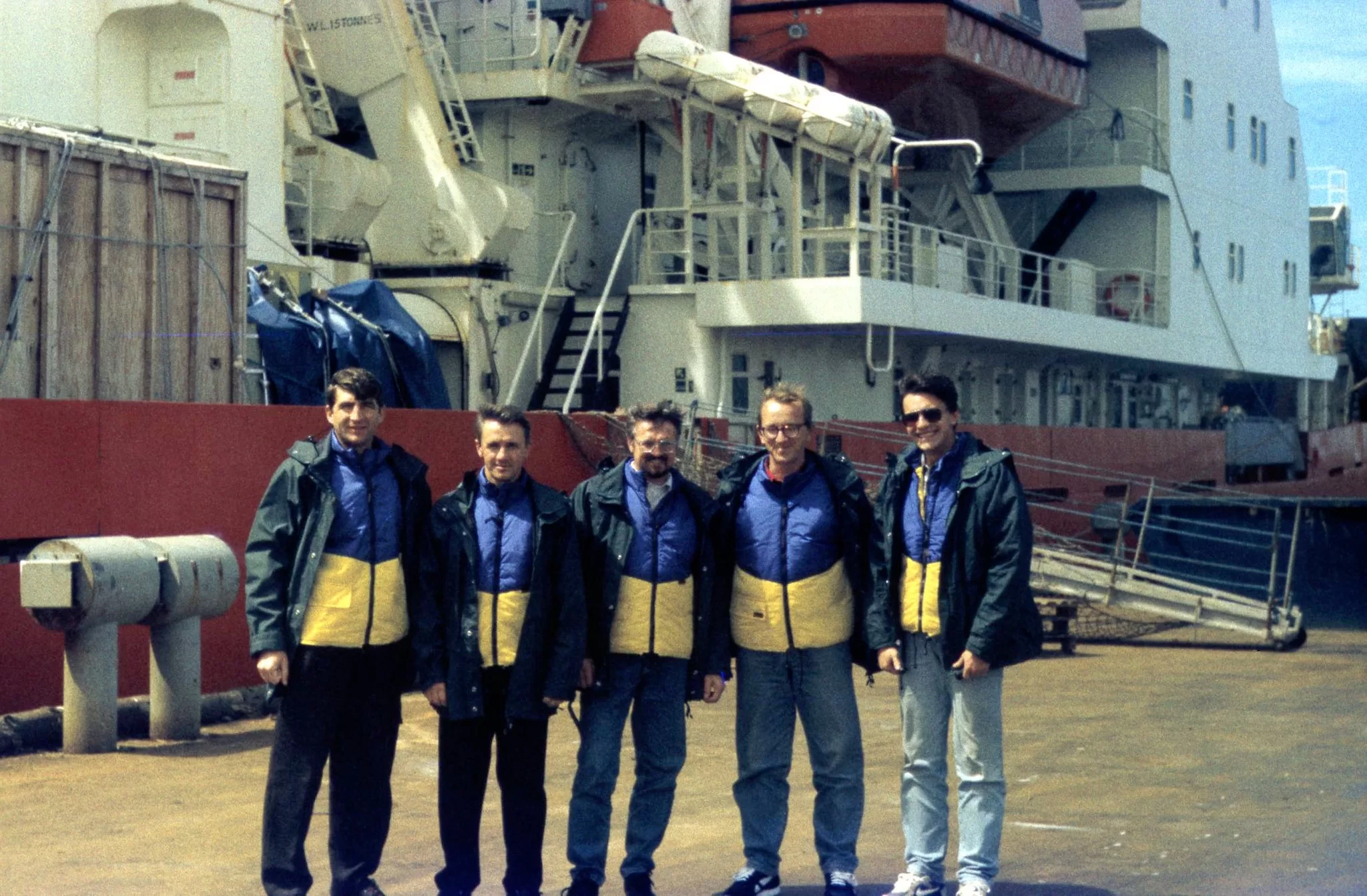
The first Ukrainian expedition arrived at the station in November 1995 aboard the British icebreaker James Clark Ross, which decades later became Ukraine’s research vessel Noosfera. Members of a later group were flown to Argentina on an aircraft provided by then-President Leonid Kuchma before reaching the station by sea.
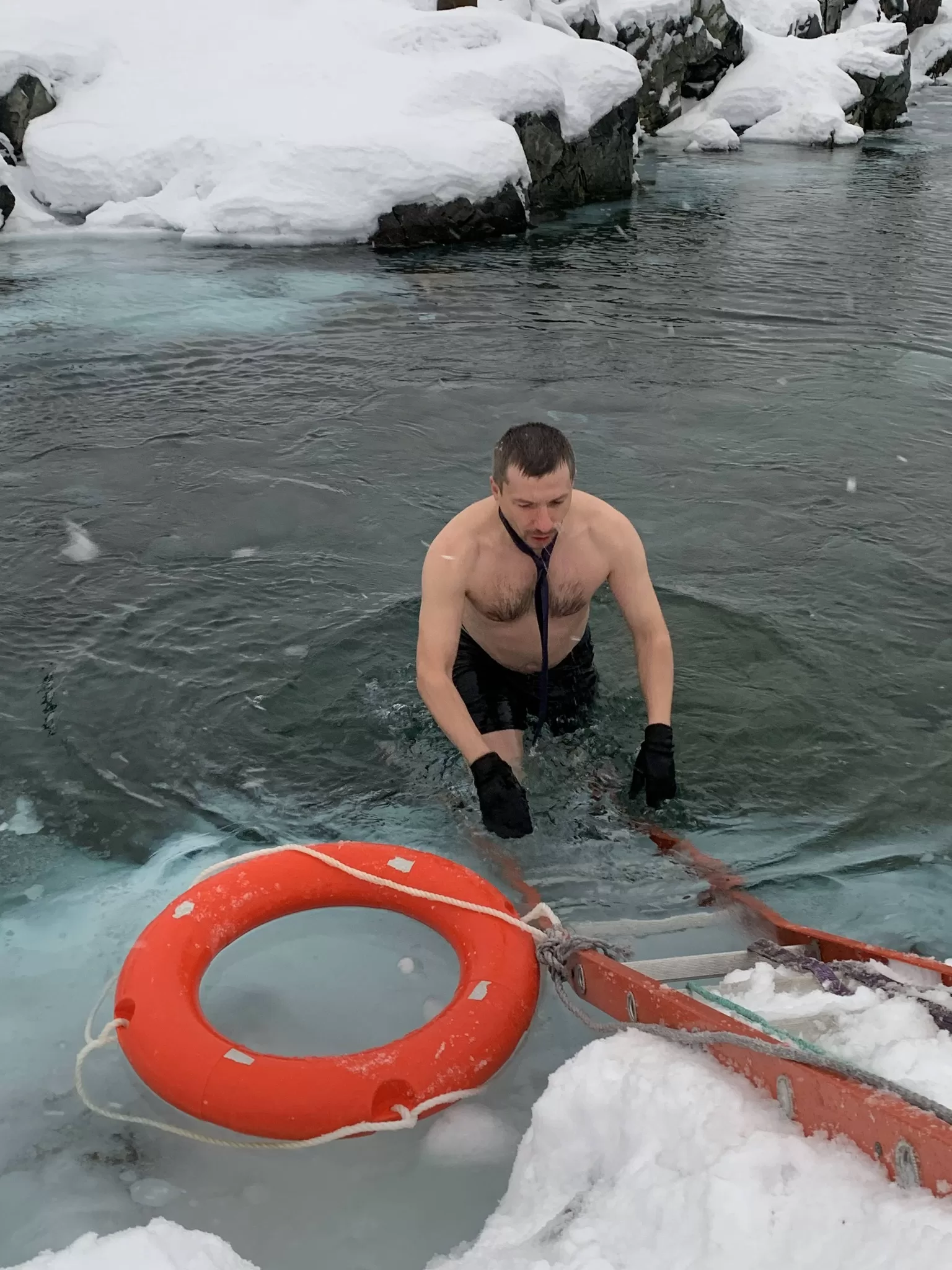
Ukraine received the station along with scientific equipment, supplies, and provisions. Ukrainian polar researchers also adopted several British traditions, including the custom of diving into the ocean wearing ties during Midwinter, the main Antarctic holiday.
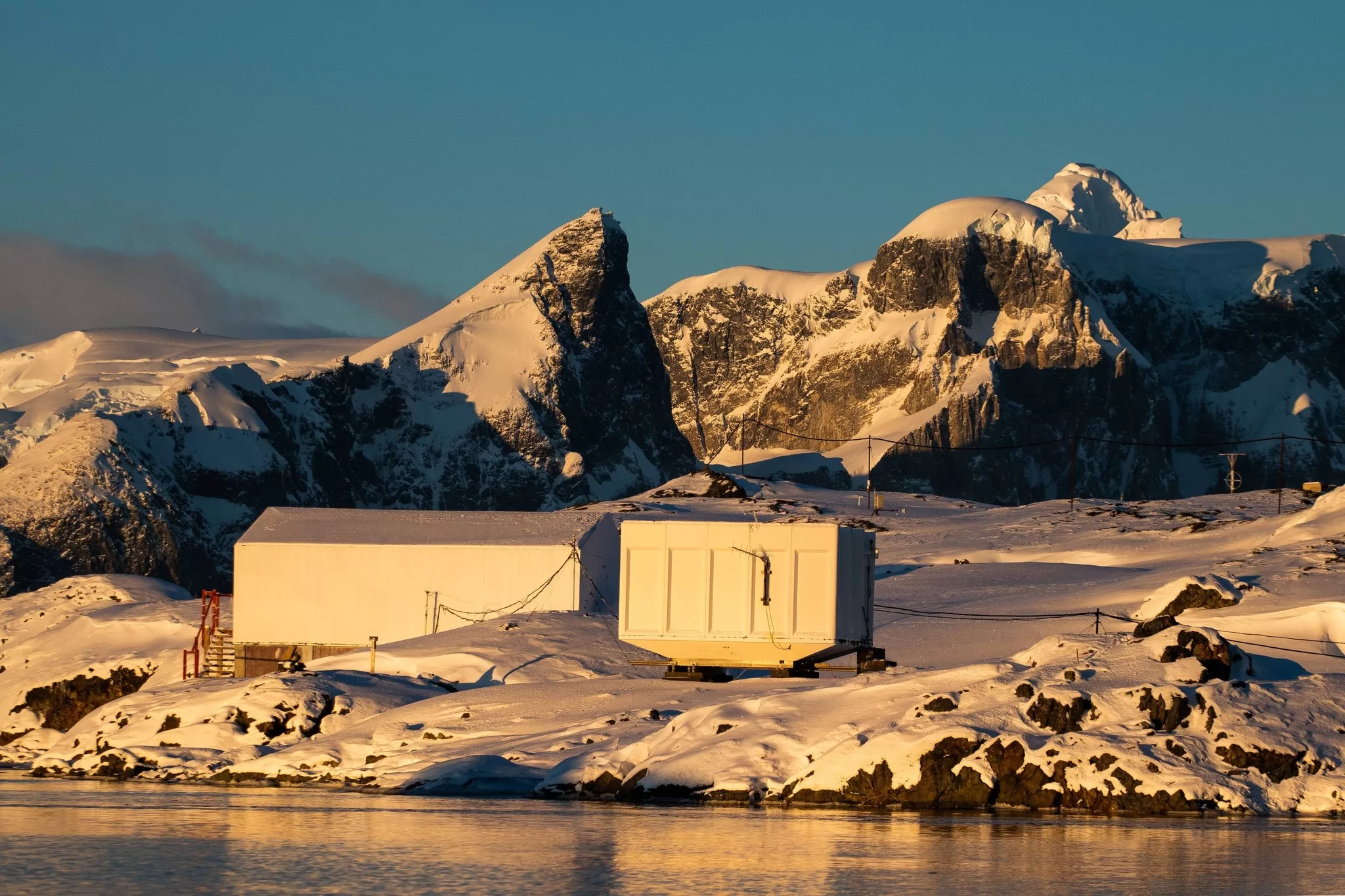
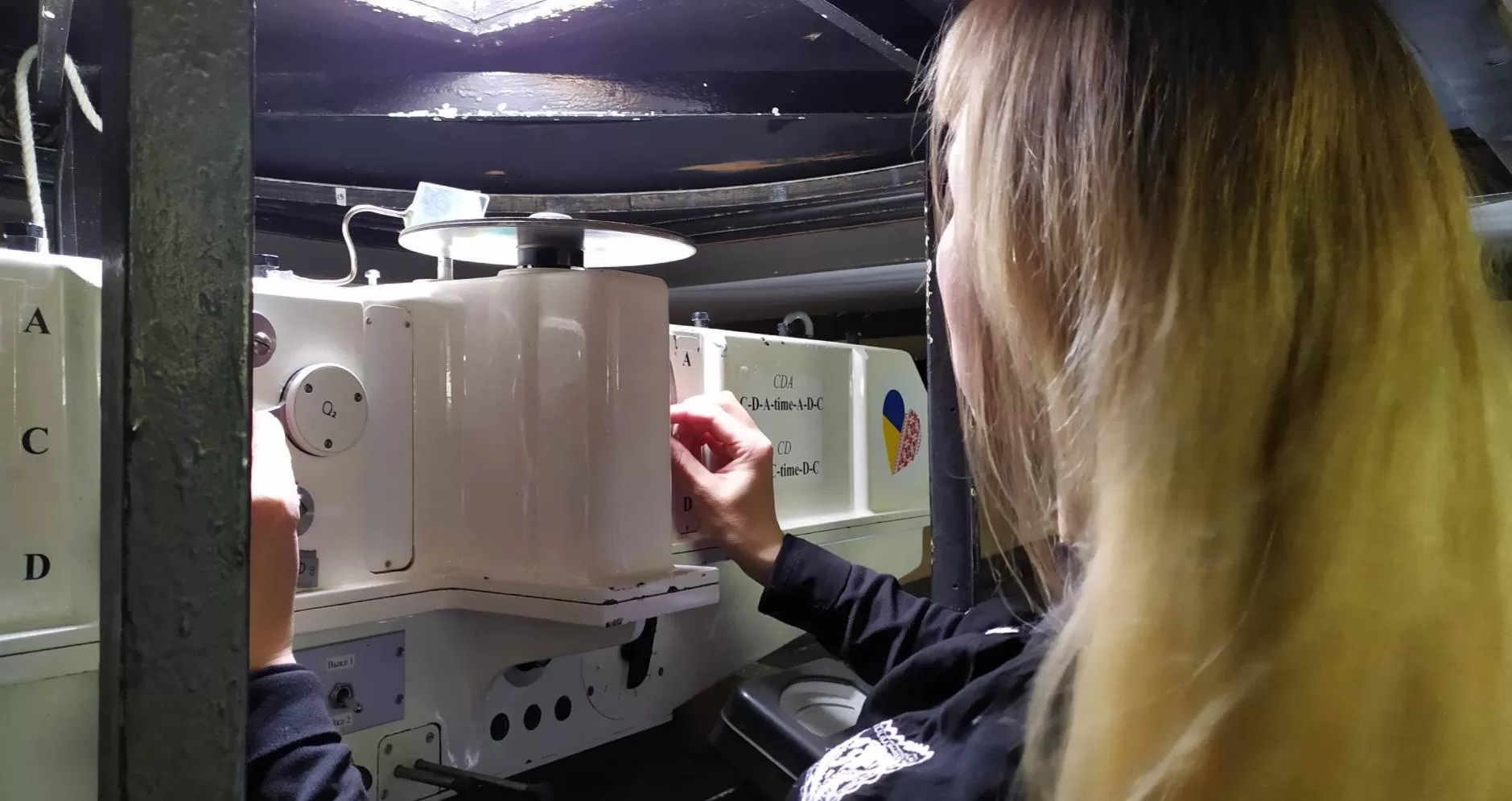
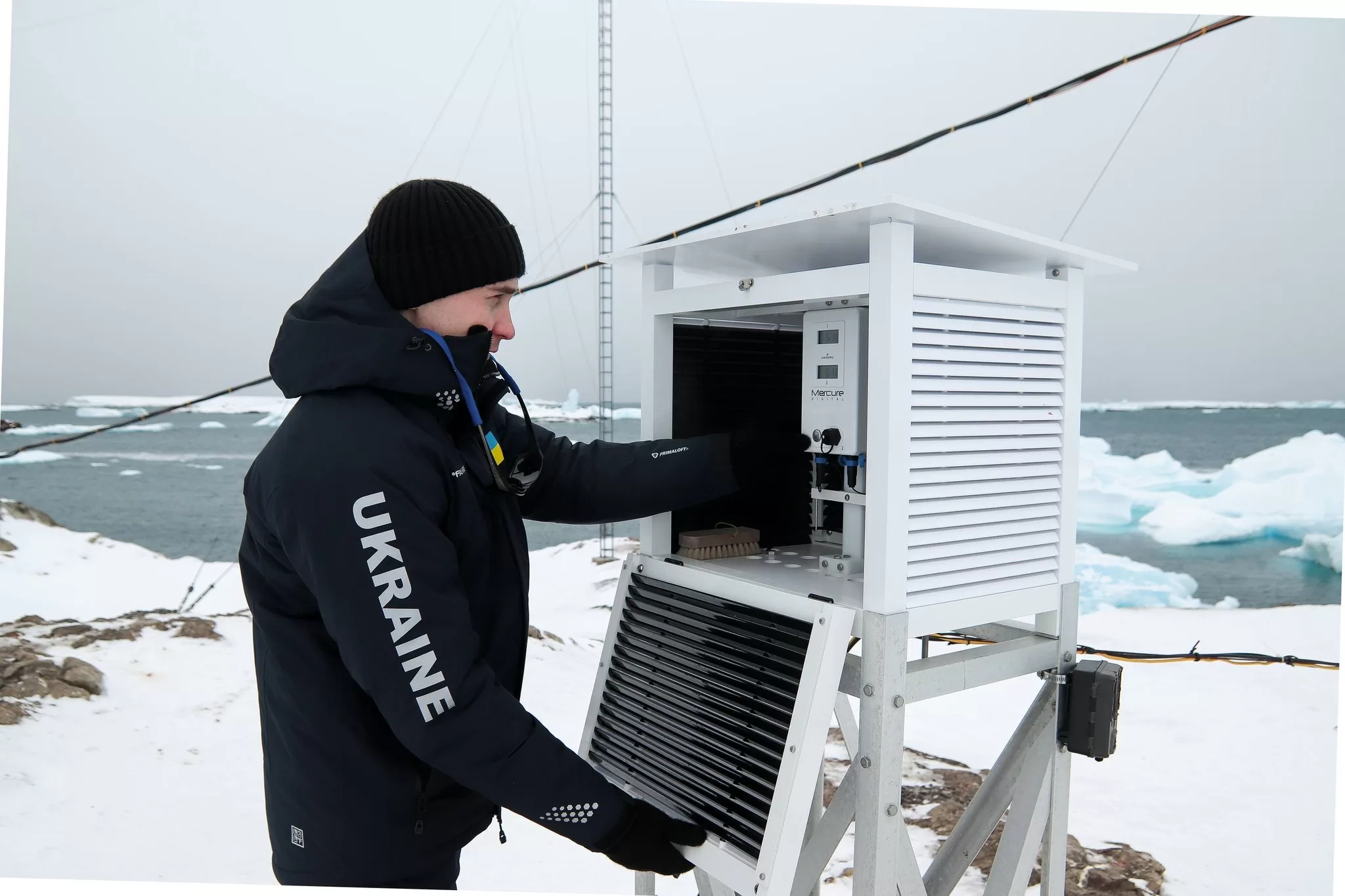
Akademik Vernadsky hosts some of the longest continuous climate and geophysical observation records in Antarctica. Weather measurements have been conducted there since 1947, geomagnetic observations since 1954, and ozone monitoring since 1957. Data collected at the station helped British scientists identify the ozone hole in 1985.
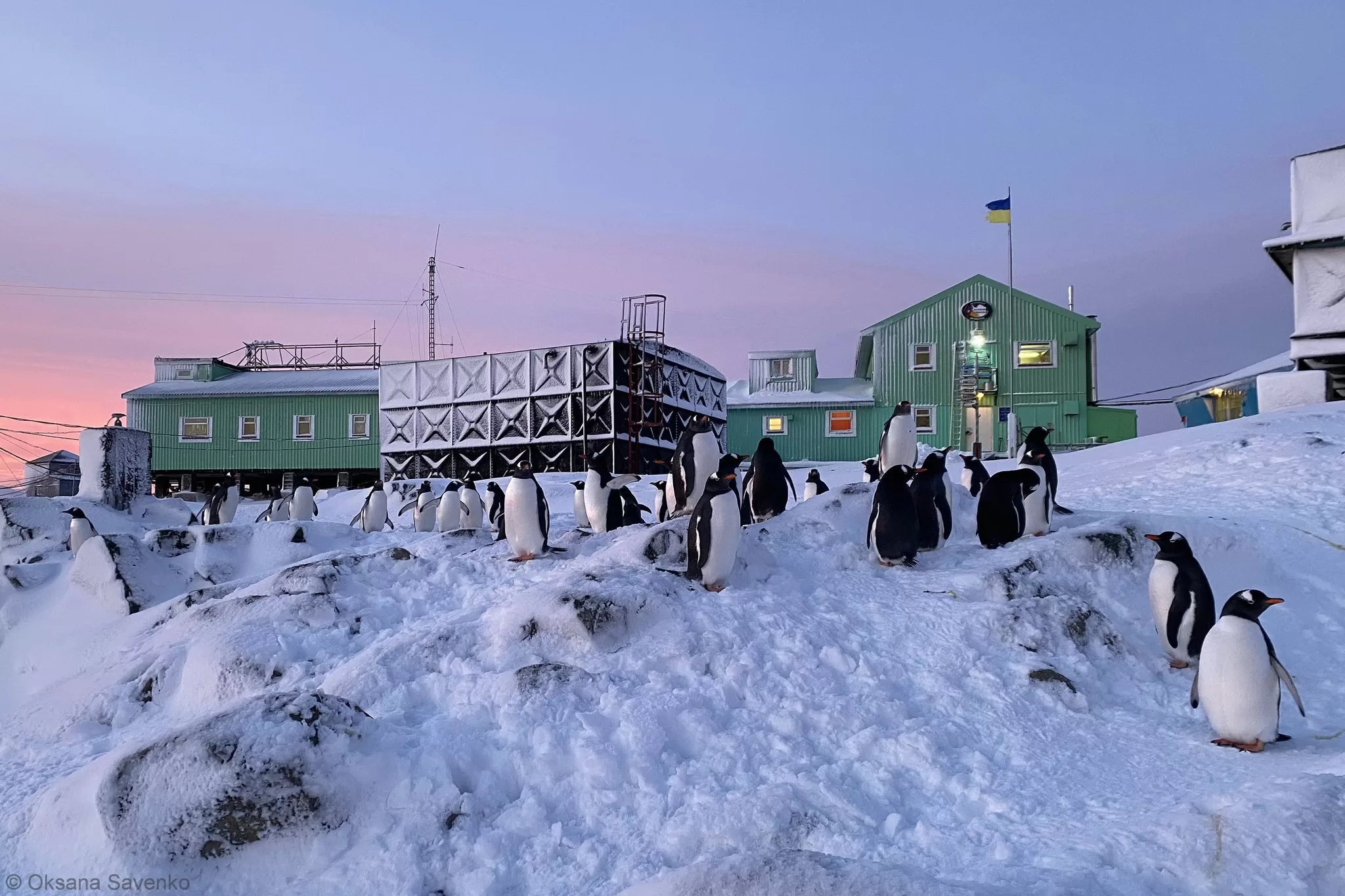
Today, more than 10,000 sub-Antarctic penguins nest on Galindez Island, where the station is located. Their growing numbers are considered one indicator of climate change and warming in the region.
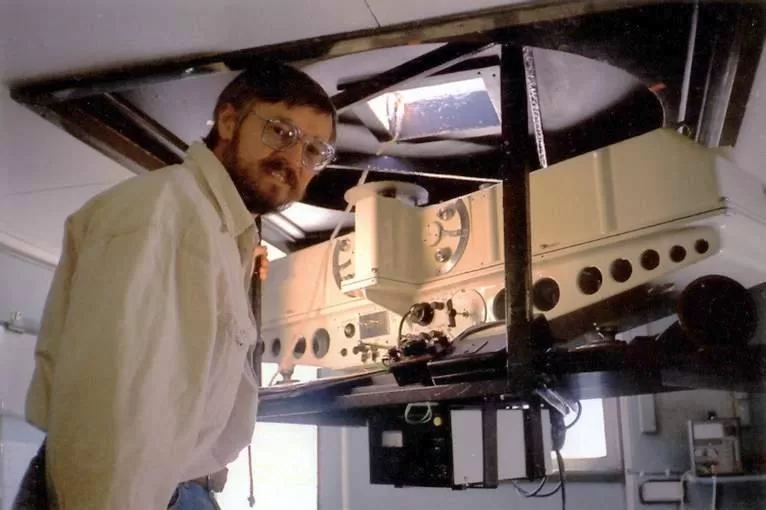
The station’s geomagnetic observatory is the only one in Antarctica transmitting high-precision one-second data to the global INTERMAGNET network. These data are used both for fundamental scientific research and practical applications such as navigation.
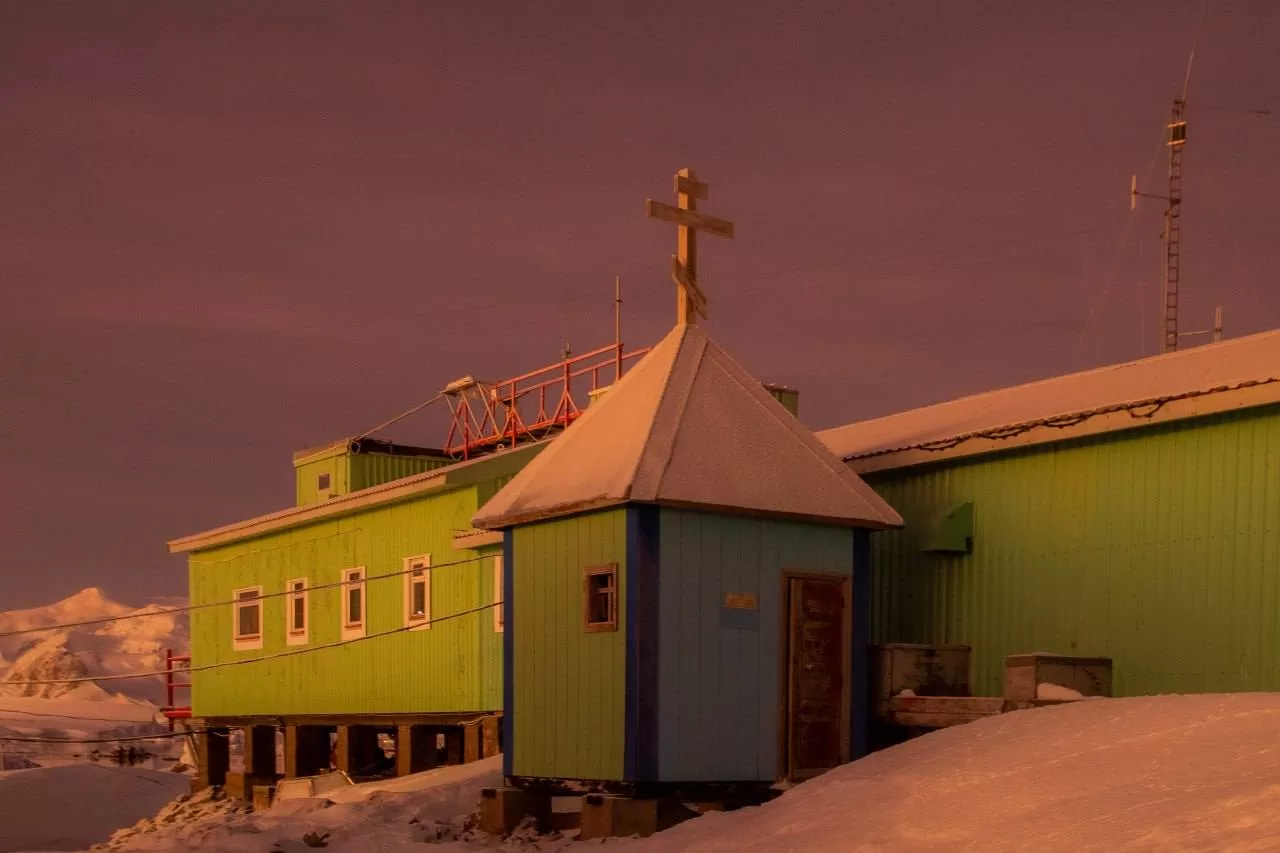
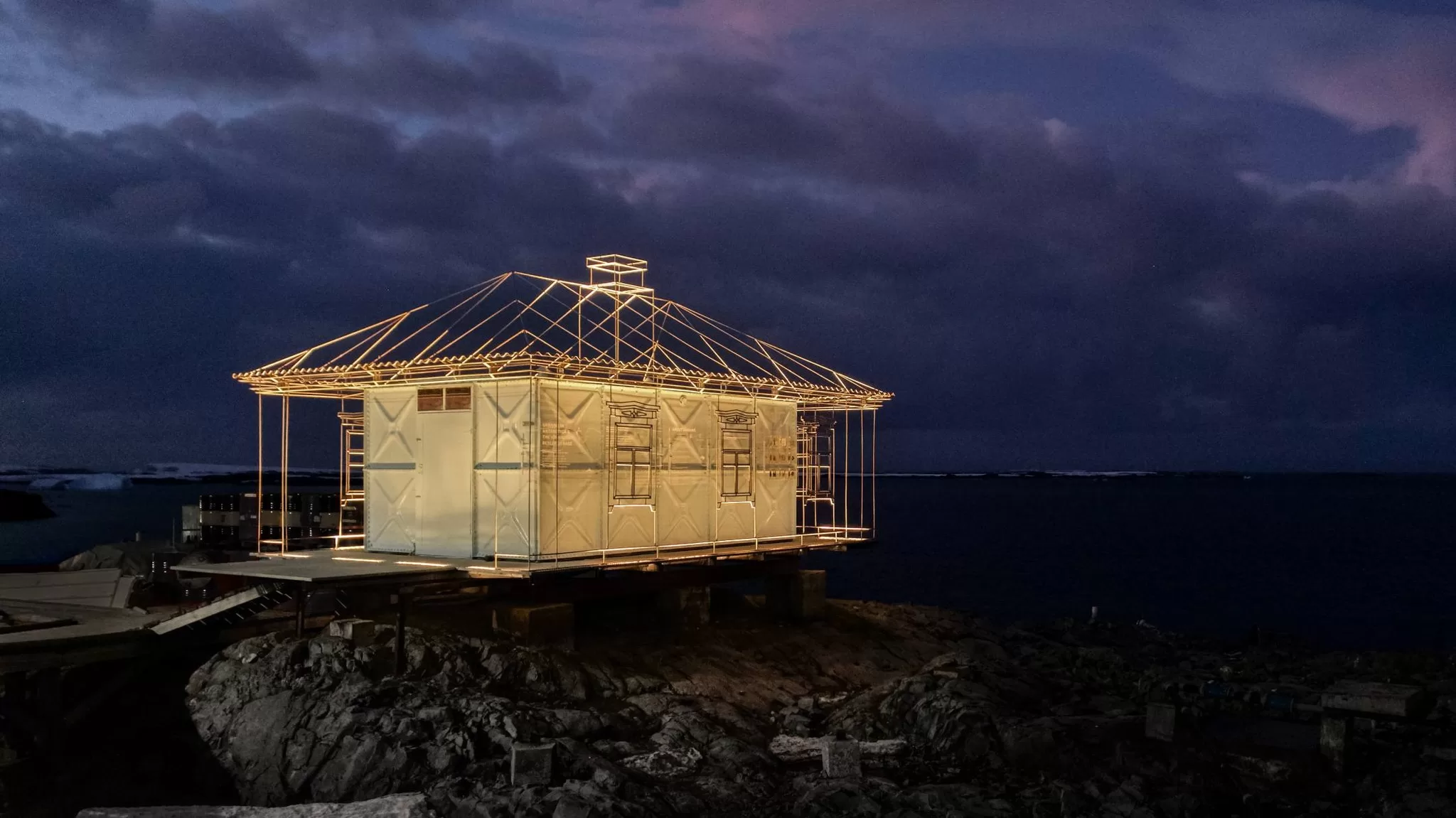
Akademik Vernadsky operates around the clock, with personnel on duty at all times to monitor life-support systems. The station is also home to the world’s southernmost bar, chapel, and an art installation.