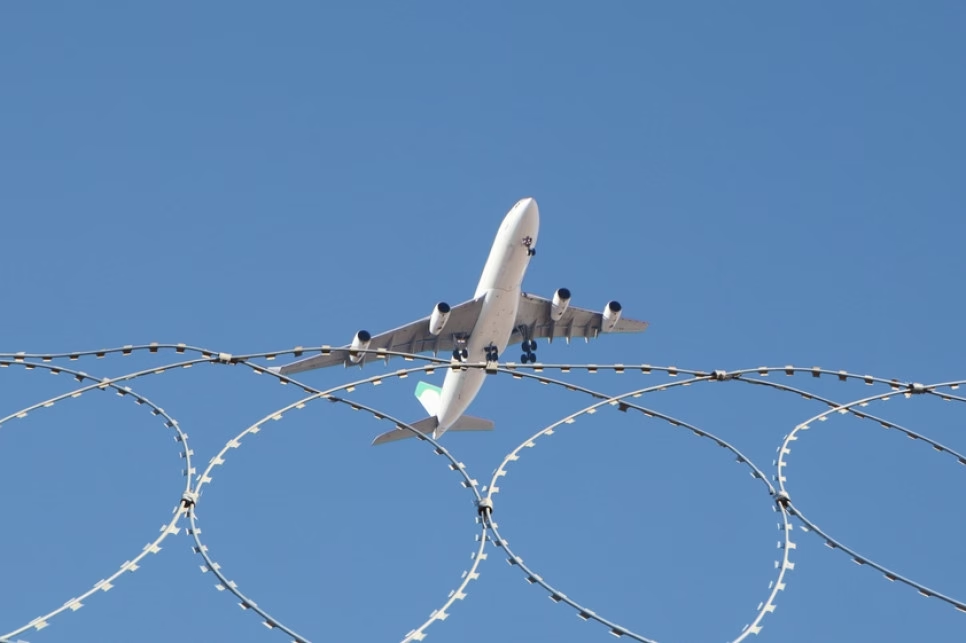
Poland plans to establish a no-fly zone in the east of the country following repeated violations of its airspace by Russian missiles and drones. The relevant regulation could take effect in late December 2026 or early January 2027.
This was reported by RMF24, citing Poland’s Deputy Defense Minister Cezary Tomczyk.
The no-fly zone is planned to be located between just over 10 and several dozen kilometers from Poland’s eastern border.
Tomczyk emphasized that protecting NATO’s eastern flank remains a priority. To this end, Poland is implementing the East Shield program and using fighter jets to protect its airspace.
The measure is being prepared following an incident on November 20, when three Russian objects fell on Polish territory. Defense Minister Władysław Kosiniak-Kamysz initially reported that they were two missiles and a jet-powered drone. However, prosecutors later established that all three objects were Russian Kh-101 cruise missiles.
Poland changes procedures for military pilots
Tomczyk also said that around two months ago, Poland switched from visual identification of aerial targets to positive identification. According to him, in peacetime, NATO generally requires visual identification before an aerial target can be engaged. However, under the current conditions, which the deputy minister described as “pre-war” and “critical,” this is no longer sufficient.
The changes were introduced at the request of General Maciej Nowak, operational commander of the Polish Armed Forces.
Polish Defense Minister Władysław Kosiniak-Kamysz explained that a pilot may use weapons if they have the appropriate order and authorization, but the final decision rests with the person directly operating in the airspace.
What about intercepting Russian missiles over Ukraine?
Tomczyk also commented on a Bloomberg report that Poland had proposed considering the interception of Russian missiles over Ukraine if they were heading toward NATO countries.
According to him, the issue had been discussed several months earlier, but the Alliance did not support the initiative because of numerous complications.
“If we want to make major decisions concerning, in particular, the airspace over Ukraine, it must always be a decision made by NATO as a whole,” Tomczyk stressed.
He added that the previous discussion had ended with a decision not to introduce such a procedure.