
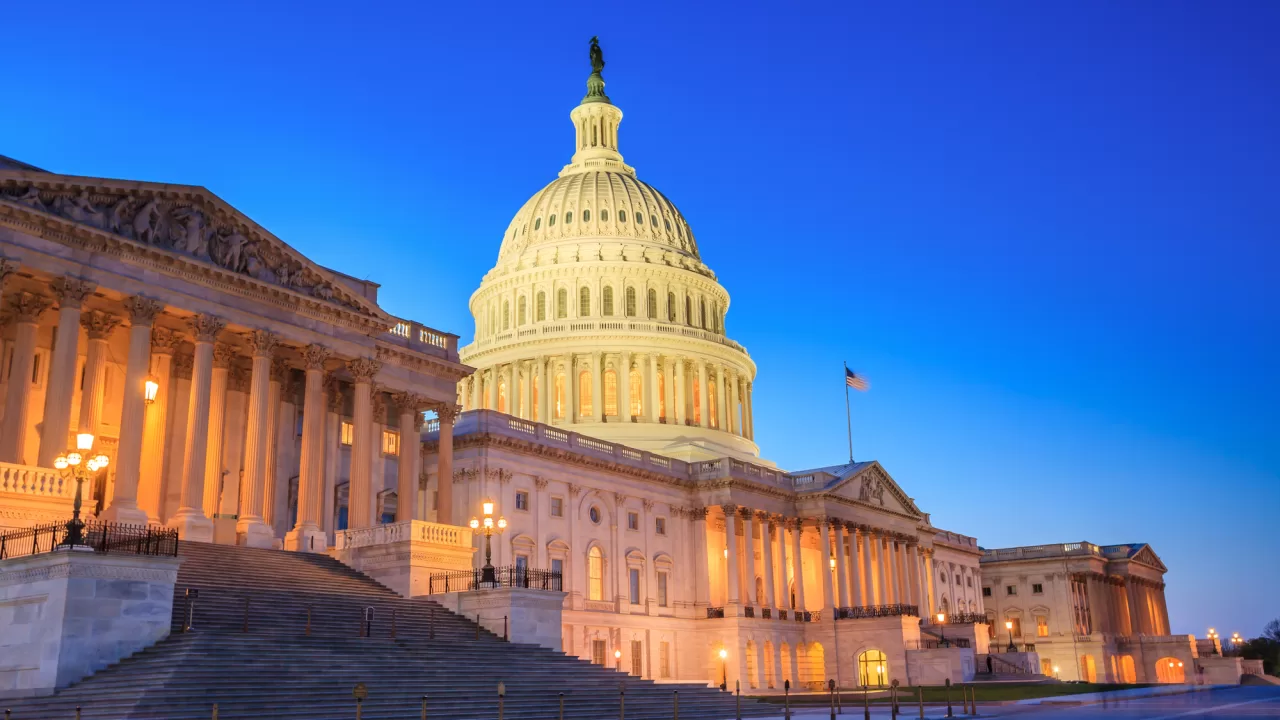
The U.S. House of Representatives has approved Senator Lindsey Graham’s bill to strengthen sanctions against Russia and Iran. The measure passed by 262 votes to 159 and, after previously clearing the Senate, is now set to go to President Donald Trump for his signature.
This was reported by Voice of America.
The bill was backed by 203 Republicans, 58 Democrats and one independent lawmaker. At the same time, the vote exposed divisions within the Democratic Party over some provisions of the legislation.
One of the bill’s key supporters in the House was Republican Michael McCaul. During the debate, he said the measure was designed to hit the financial flows that sustain Russia’s war machine.
According to McCaul, the bill targets Russian oligarchs, the energy sector and the “shadow fleet” used to export Russian oil. It also provides for additional tariffs on countries that continue to buy Russian energy resources. Such sanctions and secondary tariff provisions had been included in the bill before the final vote.
“We have a moral obligation to end the suffering,” McCaul said during the debate.
He argued that increasing economic pressure could help force Vladimir Putin to the negotiating table.
Some Democrats opposed provisions that expand the U.S. president’s tariff powers.
Congressman Gregory Meeks said Donald Trump already had the authority to impose sanctions on Russia without new legislation. He also stressed that Ukraine currently needs Patriot interceptors, ammunition, and assistance in restoring and protecting its energy infrastructure.
Meeks had earlier proposed a number of amendments to the bill, but the House Rules Committee rejected them.
At the same time, some Democrats supported the legislation.
Congressman Eugene Vindman said the bill was “not perfect” but called it an important step in efforts to bring the war to an end.
Republicans Brian Fitzpatrick and Don Bacon also urged their colleagues to support the bill despite disagreements over some of its provisions.
Democrat Steny Hoyer said during the debate that the legislation was aimed against Russia and in support of Ukraine, and called on the House to approve it.
Razom for Ukraine described the vote as an important development and noted that it was the first standalone pro-Ukraine legislative act passed by Congress in two years.
The Senate had previously approved the bill with bipartisan support. For the measure to take effect, it now has to be signed by U.S. President Donald Trump.
Earlier, it was reported that the U.S. House of Representatives was moving to a final vote on new sanctions against Russia. The bill proposed increasing sanctions pressure on Russia, including restrictions targeting its energy sector and additional tariffs on countries that continue to purchase Russian energy resources.